
Comprehensive Ethnobotanical and Pharmacological Analysis of Borago officinalis
Taxonomic Classification and Botanical Description
Borago officinalis, commonly known as borage or starflower, is a celebrated annual herb within the Boraginaceae family, a botanical group that includes other notable genera such as Myosotis (forget-me-nots), Pulmonaria (lungworts), and Symphytum (comfreys).1 This species serves as the type genus for the family, embodying many of the characteristic traits of the group, most notably its distinctive bristly or hairy foliage.1 The plant is known by a variety of common names across different cultures and regions, including bee plant, bee bread, bugloss, and burrage.3 The epithet officinalis is a classical botanical designation signifying the plant’s traditional use in medicine or its historical presence in the “officina” or storeroom of a monastery or apothecary.1
Etymological Evolution and Scientific Nomenclature
The etymology of “borage” is a subject of historical debate, reflecting the plant’s long-standing integration into various linguistic traditions. One prevalent theory suggests a derivation from the Latin burra, meaning “a shaggy coat” or “rough hair,” an obvious reference to the dense, stiff, white hairs (trichomes) that cover the stems and leaves.1 Another significant etymological thread traces the name to the Arabic abu arak, which translates to “father of sweat”.4 This name likely originated from the plant’s traditional use as a diaphoretic, a substance utilized to induce perspiration for the management of fevers and respiratory ailments.4 Additionally, the name has been linked to the Greek Bouglōssos, meaning “ox-tongue,” referring to the shape and rough texture of the leaves.5 In the Celtic tradition, the name borrach signified a “man of courage,” which aligns with the historical belief that the plant possessed the power to bolster bravery and dispel sorrow.3
Physical Morphology and Growth Habit
Borago officinalis is a robust, rapidly growing annual that typically reaches a height of 50 to 80 centimeters.2 Its structure is characterized by hollow, succulent stems that are branching and heavily covered with the aforementioned bristly hairs.2 The leaves are alternate, simple, and oval to lanceolate in shape, with a coarse, wrinkled surface.2 The foliage possesses a distinct, refreshing aroma reminiscent of cucumber when crushed or bruised.1
| Morphological Feature | Botanical Specification | Ecological and Reproductive Function |
| Floral Structure | Five-petaled, star-shaped blossoms, approximately 2 cm in diameter.1 | Provides high nectar rewards for pollinators.1 |
| Color Transition | Flowers emerge red or pink and transition to bright blue with maturity.1 | Serves as a signal to pollinators regarding nectar availability.1 |
| Inflorescence | Arranged in a scorpoid cyme, a curling spike resembling a scorpion’s tail.1 | Allows for sequential blooming and a prolonged flowering season.1 |
| Central Cone | Five dark-colored anthers fused in a tight cone at the flower’s center.1 | Houses the style and stigma; facilitates specialized pollination.1 |
| Trichomes | Stiff, white hairs covering stems and leaves.1 | Acts as a defense mechanism against herbivory and reduces water loss.1 |
Reproductive Biology and Pollination Mechanics
The reproductive strategy of borage is highly specialized and geared toward maximizing pollinator interaction. The plant utilizes entomophily, specifically attracting bees and butterflies through its abundant and continuously replenished nectar.1 The floral structure promotes outcrossing through a mechanism of temporal separation known as protandry, where the pollen is released from the anthers before the female stigma is receptive.1 However, because an individual plant can support a vast number of blossoms simultaneously over a long period, internal transfer of pollen between flowers on the same plant (geitonogamy) is common, leading to significant levels of self-pollination and subsequent inbreeding in isolated plants.1

Geographical Origin and Historical Ethnobotany
Originally a wildflower indigenous to the Eastern Mediterranean region and Western Asia, specifically Aleppo, Syria, borage has successfully naturalized across Europe, North America, and other temperate regions.2 Its history of cultivation and use spans millennia, bridging the gap between ancient clinical observation and modern pharmacological research.
Ancient and Classical Utilization
The record of borage in classical antiquity is extensive. Ancient Greeks such as Theophrastus and Dioscorides utilized the plant to soothe respiratory tissues and steady the nervous system.5 Dioscorides, in his seminal work De Materia Medica, recommended borage to “cheer the heart and lift depressed spirits”.3 The Roman naturalist Pliny the Elder referred to borage as Euphrosinum, associating it with the Greek goddess of joy, Euphrosyne, because of its ability to induce a state of gladness.3 Pliny further suggested that borage might have been the mythical “nepente” mentioned by Homer in The Odyssey, a potion known to bring about the absolute forgetfulness of sorrow when infused in wine.3
Historical accounts suggest that Roman soldiers consumed borage-infused wine before going into battle to stir their courage and strength.4 This tradition persisted into the Middle Ages, when medieval knights wore scarves embroidered with borage flowers or drank borage tea to steel their nerves and boost their bravery.4
Medieval and Early Modern Traditions
During the Middle Ages, borage gained significant status in Islamic cuisine and medicine. In Moorish Spain, it was famously termed “the vegetable of the queen,” reflecting its high regard in royal courts.5 In Persian traditions, the dried herb, known as gol gavzaban, was brewed into a calming tea to treat “passions of the heart” and steady the mind, a practice that remains prevalent in modern Iran.5
In Elizabethan England, borage reached the height of its popularity in herbal gardens. Renaissance herbalists like John Gerard and Nicholas Culpeper extensively documented its virtues.3 Gerard, in his 1597 Herbal, extolled the plant’s ability to “comfort the heart, drive away sorrow, and increase the joy of the mind”.3 During this era, borage flowers were frequently crystallized with sugar to decorate elaborate desserts or preserved to comfort those suffering from consumption or emotional melancholy.4 A common English adage of the time, “Sow Borage, sow courage,” reinforced the plant’s psychological associations.5
| Cultural Narrative | Historical Significance and Practice |
| Roman Pre-Battle Rituals | Soldiers mixed borage with wine to induce bravery and strength.4 |
| Moorish Cuisine | Designated as “the vegetable of the queen” in early Spanish-Arab culture.5 |
| Elizabethan Folklore | Legend suggested that a woman slipping borage into a man’s drink would give him the courage to propose.4 |
| Symbolism of the Star | The “Starflower” nickname and shape symbolize hope, guidance, and the light leading one out of darkness.5 |
| Domestic Tranquility | Folklore suggested that keeping borage flowers in the home would bring about domestic peace.4 |
Phytochemical Profile and GLA Biosynthesis
The modern scientific interest in Borago officinalis is predominantly focused on the lipid composition of its seeds, which represent the richest known plant source of gamma-linolenic acid (GLA).1 This polyunsaturated fatty acid is a critical component of human metabolic pathways and inflammatory regulation.

Gamma-Linolenic Acid (GLA) and the Prostaglandin Pathway
GLA is an -6 fatty acid that serves as a precursor to several physiologically active compounds. In the human body, the biosynthesis of longer-chain fatty acids typically begins with linoleic acid, which is converted to GLA by the enzyme delta-6 desaturase.12 This enzyme’s activity can be compromised by various factors, including aging, diabetes, excessive alcohol consumption, and nutritional deficiencies.12 By providing a direct source of GLA, borage oil allows the body to bypass this enzymatic step.12
Once ingested, GLA is rapidly converted to dihomo-gamma-linolenic acid (DGLA), which is the immediate precursor to prostaglandin E1 (PG E1).14 PG E1 is a potent anti-inflammatory and immunoregulatory molecule that helps suppress joint inflammation, improve vascular health, and regulate blood pressure.15 Unlike other ω-6 fatty acids, GLA does not typically convert into pro-inflammatory leukotrienes; instead, it is converted to 15-hydroxy DGLA, which actively inhibits the 5-lipoxygenase enzyme, further reducing the production of inflammatory mediators.15
| Fatty Acid Constituent | Concentration in Borage Oil | Physiological Role and Benefit |
| Gamma-Linolenic Acid (GLA) | 20% – 26% 13 | Precursor to anti-inflammatory PG E1; modulates immune response.15 |
| Linoleic Acid | ~35% – 38% 13 | Essential fatty acid supporting the skin’s lipid barrier.13 |
| Oleic Acid | ~15% – 20% 13 | ω-9 monounsaturated fat promoting heart health and skin absorption.13 |
| Palmitic Acid | ~9% – 11% 13 | Provides structure and stability to cellular membranes.13 |
| Erucic and Nervonic Acids | Trace Amounts 13 | Long-chain fatty acids involved in specialized nerve and metabolic functions.13 |
Secondary Metabolites and Potential Toxins
While the seeds are rich in beneficial lipids, the aerial parts of the borage plant contain secondary metabolites that require careful consideration. Specifically, borage contains small amounts of unsaturated pyrrolizidine alkaloids (UPAs), such as amabiline.19 These compounds are pro-toxins that can be activated by the liver into reactive pyrroles, which are hepatotoxic and potentially carcinogenic.20 Chronic exposure to high doses of UPAs is linked to hepatic veno-occlusive disease.21 Additionally, the leaves are known to accumulate high levels of nitrates, which can pose a risk of methemoglobinemia, particularly in infants.19
Evidence-Based Medicinal Applications
Clinical research has explored borage oil for a wide range of degenerative and inflammatory conditions, with varying levels of evidence supporting its efficacy.
Rheumatoid Arthritis and Synovitis
Borage oil is most frequently cited for its role in managing rheumatoid arthritis (RA). Because GLA suppresses the production of tumor necrosis factor-alpha (TNF-α) and inflammatory leukotrienes, it can help reduce the symptoms of joint inflammation.12 Several randomized, placebo-controlled trials have demonstrated that oral supplementation with borage oil (providing roughly 1.4 to 2.8 grams of GLA daily) can significantly reduce joint tenderness, swelling, and morning stiffness in RA patients.15 An 18-month trial comparing borage oil, fish oil, and a combination of both found that all three treatments were effective in reducing disease activity scores, though a synergistic effect of combining the two oils was not definitively superior to either oil alone.15

Asthma and Respiratory Relief
Traditionally used as a bronchodilator in folk medicine, borage has been investigated for its impact on moderate persistent asthma.12 A prospective clinical trial found that patients receiving borage extract showed significant improvements in clinical symptoms, including reduced cough, dyspnea, and wheezing.12 The study also noted a decrease in the frequency of asthma flare-ups and emergency department visits.12 However, the extract did not significantly alter physiological inflammatory markers in the sputum, such as eosinophils or neutrophils, suggesting that while borage improves symptoms and quality of life, it may not completely suppress the underlying inflammatory pathways of the disease.12
Adjunctive Cancer Therapy and the Tamoxifen Synergy
A compelling area of modern research involves the use of GLA as a valuable adjunct to primary hormone therapy in breast cancer. Studies have demonstrated that GLA can enhance the estrogen receptor down-regulation induced by the drug tamoxifen.3 In a clinical trial where breast cancer patients took oral GLA alongside tamoxifen, the combination group achieved a significantly faster clinical response than those taking tamoxifen alone.22 The synergistic effect was evident within six weeks, and serial biopsies showed a more pronounced reduction in estrogen receptor expression in the combined treatment arm.22
Further research has explored transcutaneous delivery systems for these agents. Laboratory tests using human skin models have shown that tamoxifen and GLA (from borage oil) can simultaneously permeate the skin, potentially offering a localized delivery method that could reduce the systemic side effects of oral therapy.24 Because of this potential, the borage flower was chosen as the symbol for National Cancer Day by Cancer Research UK.3

Cardiovascular and Metabolic Health
GLA supplementation has shown promise in managing systemic arterial hypertension and obesity, particularly in postmenopausal women. A randomized, double-blind, placebo-controlled trial involving 96 women found that 1,000 mg of borage oil daily for six months led to significant reductions in both systolic and diastolic blood pressure.16 Furthermore, the study noted a significant change in the waist-hip ratio, suggesting that borage oil may help regulate lipid metabolism and body fat distribution during the menopausal transition.16
| Medical Condition | Study Findings and Evidence Level | Therapeutic Mechanism |
| Rheumatoid Arthritis | Significant reduction in synovitis and joint stiffness.15 | Suppression of TNF-α and leukotriene synthesis.12 |
| Atopic Dermatitis | Inconsistent clinical results; some benefit in topical seborrheic dermatitis.12 | Restoration of skin lipid barrier and reduction of transepidermal water loss.12 |
| Breast Cancer | Faster clinical response when used with tamoxifen.3 | Enhancement of estrogen receptor down-regulation.22 |
| Hypertension | Significant reduction in blood pressure in postmenopausal women.16 | Improvement of vascular integrity and lipid metabolism.16 |
| Moderate Asthma | Significant reduction in clinical symptoms and flare-ups.12 | Traditional bronchodilator activity and reduction of nocturnal symptoms.7 |
Integrative Medicine and the Adrenal Fatigue Debate
In the realm of naturopathy and alternative medicine, borage is frequently discussed in the context of psychological resilience and hormonal balance. However, these uses often exist at the intersection of traditional wisdom and modern medical skepticism.
Psychological Support and Adrenal Health
Traditional practitioners often prescribe borage to support the adrenal glands, particularly in cases of perceived “adrenal fatigue”—a term used to describe a state of exhaustion brought on by chronic stress.4 The herb is said to stimulate the production of adrenaline, which can help alleviate feelings of sadness and melancholy.3 This aligns with historical uses of borage as the “herb of gladness” or a “natural antidepressant”.3
However, the medical consensus among endocrinologists is that “adrenal fatigue” is not a recognized medical condition.29 While the body’s adrenal glands produce cortisol and adrenaline in response to stress, scientific evidence does not support the idea that they become “exhausted” by the demands of modern life.28 Clinicians caution that accepting a diagnosis of adrenal fatigue may prevent patients from identifying and treating the true causes of their fatigue, such as clinical depression, sleep apnea, or true adrenal insufficiency (Addison’s disease).30

Hormonal Regulation: PMS and Menopause
Borage is a popular remedy for managing symptoms associated with hormonal fluctuations, such as premenstrual syndrome (PMS) and menopause.4 Naturopathic practitioners believe that the GLA in borage oil helps regulate metabolism and the hormonal system, mitigating the intensity of hot flashes and emotional irritability.4 While some individual studies suggest benefits for these conditions, larger clinical reviews often conclude that more robust evidence is needed to confirm borage’s effectiveness for menopausal symptoms.19
Culinary Traditions and Gastronomy
The culinary use of borage is a testament to Mediterranean and European ingenuity, where the plant’s unique flavor and texture are celebrated in various regional dishes.
The Spanish “Borraja” Stew
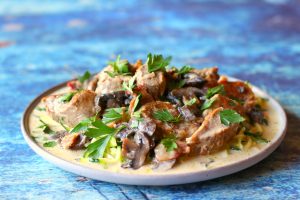
In Spain, particularly in the regions of Aragón and Navarra, borage is cultivated as a prized winter vegetable.5 The traditional preparation, known as borage stew or borrajas con patatas, is a staple of Aragonese cuisine.31 The process of preparing borage for consumption requires careful attention to the plant’s hairy texture.
| Preparation Step | Culinary Process for Borage Stew | Functional Outcome |
| Washing and Trimming | Thorough rinsing to remove soil; removal of thick stems and coarse leaves.31 | Ensures a clean and tender final product.7 |
| Blanching | Brief boiling in salted water until leaves soften.31 | Tenderizes the leaves and preserves the vibrant green color.31 |
| Sautéing | Sautéing garlic in olive oil, then adding blanched borage and sliced potatoes.31 | Infuses the greens with aromatic flavors; allows potatoes to absorb the essence.31 |
| Simmering | Slow cooking for 25–30 minutes until potatoes are creamy.31 | Melds the flavors into a comforting, cohesive stew.31 |
The Frankfurt Green Sauce (Grüne Soße)
In Germany, borage is an indispensable component of the world-famous Frankfurter Grüne Soße, a cold herb sauce traditionally served with boiled potatoes and eggs.7 The sauce must consist of exactly seven specific herbs, with borage providing an “earthy” cucumber flavor that contributes to the sauce’s complex profile.32 Traditional standards dictate that at least 70% of the herbs used must be grown in the Frankfurt region.32
| Traditional 7 Herbs | Flavor Role in Green Sauce | Common Substitution (if unavailable) |
| Borage | Earthy, cucumber-like, saline notes.32 | Spinach or Escarole.33 |
| Chervil | Light anise and mild parsley flavor.32 | Tarragon.33 |
| Garden Cress | Peppery and sharp spice.32 | Watercress or Arugula.33 |
| Parsley | Bright, fresh, and slightly bitter.32 | Lovage.32 |
| Salad Burnet | Nutty, distinct cucumber taste.32 | Sliced cucumber (for flavor only).33 |
| Sorrel | Sharp, tart, and lemony acidity.32 | Arugula or Lemon Balm.33 |
| Chives | Sweet onion pungency.32 | Spring Onions.33 |
Italian and Greek Variations
In the Liguria region of Northern Italy, borage is a traditional filling for pastas such as pansoti and ravioli di magro.5 The herbs are typically blanched, chopped, and mixed with ricotta cheese and local wild greens.7 On the Greek island of Crete, borage leaves are used in fresh salads or as a component of mixed vegetable stews.7 In Poland, the leaves are occasionally used to flavor pickled gherkins, enhancing the crispness and aroma of the brine.7
Beverage and Garnish Applications
The vibrant blue flowers of borage are among the few truly blue edible items in nature, making them a popular garnish in modern mixology and confectionary.2 They have a sweet, honey-like taste.7
- Pimm’s Cup: Historically, borage sprigs were the traditional garnish for this iconic British cocktail, though they have largely been replaced by cucumber slices in contemporary service.5
- Starflower Ice Cubes: Freezing borage flowers into ice cubes adds a decorative and cooling touch to lemonades, gin and tonics, and other summer beverages.2
- Borage Tea: A refreshing herbal infusion can be made using 3 teaspoons of fresh leaves steeped in 250ml of boiling water, often served with honey and lemon to alleviate the symptoms of a common cold.36
Horticulture and Ecological Utility
Borage is often referred to as the “magic bullet” of companion plants due to its extensive benefits for the surrounding garden ecosystem.4 Its fast-spreading growth and deep root system make it a valuable asset for soil health and pest management.
Companion Planting Synergies
Borage is exceptionally beneficial when planted near strawberries, tomatoes, and cucumbers.4 Its presence is believed to enhance the growth and flavor of tomatoes while deterring pests such as the tomato hornworm.38 In strawberry patches, borage attracts a high volume of pollinators, which often leads to increased fruit yield.6
| Companion Crop | Observed Benefit of Borage | Mechanism of Action |
| Tomatoes | Improved flavor and growth; reduced pest damage.38 | Deterrence of tomato hornworms; attraction of predatory wasps.6 |
| Strawberries | Higher fruit production and vigor.4 | Enhanced pollination by bees and butterflies.8 |
| Brassicas | Lower incidence of cabbage worm damage.6 | Attracts insects that feed on cabbage worms.6 |
| Squash/Cucumbers | Better fruit set and pollination.8 | Continuous nectar production acts as a beacon for bees.8 |
Soil Improvement and Erosion Control
Borage is a dynamic accumulator of minerals, particularly potassium and calcium.6 Its deep taproots pull these trace minerals from the subsoil, making them available to neighboring plants as the borage foliage decomposes.5 Gardeners often use borage as “green manure,” tilling the plant back into the earth to boost soil fertility.5 Additionally, its rapid growth provides effective erosion control and stabilizes fragile ecosystems.5
Ecological Resilience
As a drought-tolerant and adaptable annual, borage is well-suited for climate-resilient agriculture.2 It thrives in well-draining soil and full sunlight but can tolerate partial shade.6 Once established, borage self-seeds vigorously, ensuring its return year after year with minimal maintenance.2
Industrial and Cosmetic Applications
The global market for borage oil is expanding, driven by the clean beauty movement and the pharmaceutical sector’s interest in GLA-based therapies.
Global Market Trends and Projections
The borage oil market was valued at USD 51.8 million in 2023 and is projected to reach USD 79.0 million by 2030, with a CAGR of 6.3%.42 The nutraceutical segment currently dominates the market as consumers increasingly seek plant-based alternatives for preventative healthcare.42
| Market Segment | Projected CAGR (2024-2030) | Primary Driver |
| Cosmetics | 6.2% 42 | Demand for sustainable, organic-based anti-aging ingredients.42 |
| Pharmaceuticals | Sustained Growth 42 | Development of treatments for arthritis and cardiovascular health.42 |
| Nutraceuticals | Market Dominant 42 | Rising awareness of GLA’s role in managing metabolic disorders.42 |
Cosmetic and Skincare Science
Borage seed oil is a staple in high-end face creams, serums, and body balms due to its ability to restore skin elasticity and reduce the appearance of fine lines.27 Its anti-inflammatory properties make it particularly effective for soothing conditions like eczema, psoriasis, and rosacea.11
- Deep Hydration: As a humectant and emollient, borage oil penetrates the skin to provide deep hydration without clogging pores (it is non-comedogenic).18
- Hair Health: Borage oil is used in hair treatments to restore shine and strength to brittle strands, while nourishing the scalp to reduce dandruff and flakiness.18
- Skin Tone: Some research suggests borage oil can help even out skin tone by reducing melanin levels.18
Natural Dyeing and Arts
Borage flowers produce a natural anthocyanin dye that can be used to color fabrics (silk, wool, cotton), paper, and food.4
- The Dyeing Process: Simmering 2-3 cups of fresh flowers in 1 liter of water for 30-60 minutes creates a deep blue dye bath.9 Adding an acid like vinegar will shift the color to pink.9
- Textile Mordanting: For colorfastness on textiles, the fabric is typically pre-treated with a mordant like alum (1 tablespoon per liter of water).9
- Alkanet Root: A related plant in the borage family, Anchusa officinalis, is known for its roots, which provide a deep red dye used in cosmetics and soaps.45

Safety Profile, Toxicology, and Contraindications
Despite its numerous benefits, the use of borage requires careful management of its potential toxicities, particularly for vulnerable populations and long-term use.
Pyrrolizidine Alkaloids and Hepatotoxicity
The presence of unsaturated pyrrolizidine alkaloids (UPAs) is the most significant safety concern regarding Borago officinalis.20 UPAs are cumulative toxins that can damage the liver over time.19 The German Federal Health Agency recommends limiting UPA consumption to no more than 1 microgram per day.20
- Certification: Patients should only use borage seed oil products that are certified “PA-free” (containing no more than 0.5-1 microgram of UPAs per gram of oil).19
- Liver Disease: Individuals with existing liver disease or those taking medications that can cause liver toxicity (such as anabolic steroids or ketoconazole) should avoid borage.19
Pregnancy, Lactation, and Infant Safety
Borage is strictly contraindicated during pregnancy and while breastfeeding.17
- Teratogenic Risk: There is concern that UPAs could cause birth defects or induce premature labor.20
- Breast Milk: PAs can pass into breast milk, posing a risk of liver disease and cancer to the infant.19
- Blue Baby Syndrome: As previously mentioned, high nitrate levels in borage can cause methemoglobinemia in infants, a condition where the blood cannot properly carry oxygen.19
Drug Interactions and Surgical Precautions
Borage oil’s influence on blood clotting and the nervous system requires caution when used with other medical interventions.
- Blood Thinners: Borage may increase the risk of bleeding when taken with anticoagulants or antiplatelet drugs like warfarin, aspirin, or ibuprofen.19
- Seizure Medications: Borage oil has been reported to potentially trigger seizures in patients with epilepsy or those taking anticonvulsants.17
- Surgery: To prevent excessive bleeding or interactions with anesthesia, borage supplementation should be stopped at least two weeks before a scheduled surgery.26
Mistaken Identity: The Foxglove Risk
A significant external safety risk involves the misidentification of borage during its non-flowering stages.20 Borage leaves can be easily confused with those of the foxglove (Digitalis spp.).20 Foxglove is highly toxic and can cause fatal cardiac arrhythmias.20 Foragers must exercise extreme caution to ensure correct plant identification.20
Conclusion
Borago officinalis represents a unique synthesis of historical folklore, culinary tradition, and modern pharmacological potential. From its origins as a “herb of courage” for Roman soldiers to its current status as the premier source of anti-inflammatory gamma-linolenic acid, borage has remained a staple of human interaction with the botanical world. Its utility in the garden as a “magic bullet” companion plant and its role in the global cosmetic market underscore its versatility. However, the plant’s inherent toxicological risks—primarily its pyrrolizidine alkaloid and nitrate content—necessitate a cautious, evidence-based approach to its use. When managed correctly, borage continues to offer significant benefits for human health, sustainable agriculture, and culinary art.
Works cited
- Borago officinalis – Oxford University Plants 400, accessed May 1, 2026, https://herbaria.plants.ox.ac.uk/bol/plants400/Profiles/ab/Borago
- Borage | Flavour, uses and edible flowers – Goed en lekker, accessed May 1, 2026, https://goedenlekker.nl/en/pages/borage
- Borage – A Star of Nature – Stories from the Museum Floor, accessed May 1, 2026, https://storiesfromthemuseumfloor.wordpress.com/2017/08/25/borage-a-star-of-nature/
- Meet the plants: borage – Growing Abolition, accessed May 1, 2026, https://www.growingabolition.com/plants/borage
- Borage: The Blue Hidden Gem in Nature’s Palette – COBELIO, accessed May 1, 2026, https://www.cobelio.com/blog/borage/
- Companion Planting With Borage – Gardening Know How, accessed May 1, 2026, https://www.gardeningknowhow.com/edible/herbs/borage/companion-planting-with-borage.htm
- Forage Borage – Savor the Southwest, accessed May 1, 2026, https://savorthesouthwest.net/forage-borage/
- Borage Companion Planting: The Best Pairings – Meadowlark Journal, accessed May 1, 2026, https://meadowlarkjournal.com/blog/borage-companion-planting
- Borage – Growing Guide – Deep Green Permaculture, accessed May 1, 2026, https://deepgreenpermaculture.com/2024/08/21/borage-growing-guide/
- Borage, Fresh Flavors and Star Shaped Flowers – Eat The Planet, accessed May 1, 2026, https://eattheplanet.org/borage-fresh-flavors-and-star-shaped-flowers/
- Skincare Science: Borage Seed Oil – Blossom Essentials, accessed May 1, 2026, https://tryblossom.com/pages/borage-seed-oil
- Effect of Borago Officinalis Extract on Moderate Persistent Asthma: A Phase two Randomized, Double Blind, Placebo-Controlled Clinical Trial – PMC, accessed May 1, 2026, https://pmc.ncbi.nlm.nih.gov/articles/PMC5304961/
- Fatty Acid Profile and Some Useful Biological Aspects of Borage, Calophyllum, and Prickly Pear Seed Oils: Implications for Health and Dietary Use – PMC, accessed May 1, 2026, https://pmc.ncbi.nlm.nih.gov/articles/PMC12189715/
- Protective Effect of Borage Seed Oil and Gamma Linolenic Acid on DNA: In Vivo and In Vitro Studies – PMC, accessed May 1, 2026, https://pmc.ncbi.nlm.nih.gov/articles/PMC3584109/
- Treatment of Rheumatoid Arthritis with Marine and Botanical Oils: An …, accessed May 1, 2026, https://pmc.ncbi.nlm.nih.gov/articles/PMC3977504/
- Is there a beneficial effect of gamma-linolenic acid supplementation …, accessed May 1, 2026, https://pubmed.ncbi.nlm.nih.gov/33534427/
- Borage Uses, Benefits & Dosage – Drugs.com, accessed May 1, 2026, https://www.drugs.com/npp/borage.html
- BORAGO OFFICINALIS SEED OIL – SpecialChem, accessed May 1, 2026, https://www.specialchem.com/cosmetics/inci-ingredients/borago-officinalis-seed-oil
- What Is Borage? Benefits, Risks, and Recommendations – WebMD, accessed May 1, 2026, https://www.webmd.com/vitamins-and-supplements/what-to-know-about-borage
- Borage | Memorial Sloan Kettering Cancer Center, accessed May 1, 2026, https://www.mskcc.org/cancer-care/integrative-medicine/herbs/borage
- PYRROLIZIDINE ALKALOIDS HEALTH AND SAFETY GUIDE – IRIS, accessed May 1, 2026, https://iris.who.int/bitstreams/47b3b4ef-bc53-467f-9eb9-8647259d54f1/download
- Gamma linolenic acid with tamoxifen as primary therapy in breast cancer – ResearchGate, accessed May 1, 2026, https://www.researchgate.net/publication/12615632_Gamma_linolenic_acid_with_tamoxifen_as_primary_therapy_in_breast_cancer
- Gamma linolenic acid with tamoxifen as primary therapy in breast …, accessed May 1, 2026, https://pubmed.ncbi.nlm.nih.gov/10699943/
- Simultaneous permeation of tamoxifen and gamma linolenic acid across excised human skin. Further evidence of the permeation of solvated complexes – PubMed, accessed May 1, 2026, https://pubmed.ncbi.nlm.nih.gov/15129999/
- In-vitro transcutaneous delivery of tamoxifen and gamma-linolenic acid from borage oil containing ethanol and 1,8-cineole – PubMed, accessed May 1, 2026, https://pubmed.ncbi.nlm.nih.gov/15525441/
- Borage: Health Benefits, Side Effects, Uses, Dose & Precautions – RxList, accessed May 1, 2026, https://www.rxlist.com/supplements/borage.htm
- Borage Carrier Oil – Benefits and Uses For Skin Care and Hair Care, accessed May 1, 2026, https://www.newdirectionsaromatics.com/blog/borage-carrier-oil-benefits-and-uses/
- Adrenal extract as a dietary supplement | Nutrition and Dietetics – EBSCO, accessed May 1, 2026, https://www.ebsco.com/research-starters/nutrition-and-dietetics/adrenal-extract-dietary-supplement
- Adaptogens and Adrenal Fatigue: Restoring Balance Naturally – AANMC, accessed May 1, 2026, https://aanmc.org/natural-remedies/adrenal-fatigue/
- Adrenal Fatigue | Endocrine Society, accessed May 1, 2026, https://www.endocrine.org/patient-engagement/endocrine-library/adrenal-fatigue
- How to make borrajas (borage stew)., accessed May 1, 2026, https://www.otiendas.com/how-to-make-borrajas-borage-stew/
- German Green Sauce Recipe Made with Unique Herbs – Roger’s Gardens, accessed May 1, 2026, https://www.rogersgardens.com/blogs/current-news-events/german-green-sauce-recipe-made-with-unique-herbs
- Classic Frankfurter Green Sauce (Frankfurter Grüne Sauce) – My Dinner – Easy German Recipes, accessed May 1, 2026, https://mydinner.co.uk/frankfurt-sauce/
- German Green Sauce – Facts about Frankfurter Grüne Soße, accessed May 1, 2026, https://www.germany-insider-facts.com/green-sauce.html
- Famous Frankfurt Green Sauce – Sarahs Vegan Guide, accessed May 1, 2026, https://sarahsveganguide.com/frankfurt-green-sauce
- Borage | Julia’s Edible Weeds, accessed May 1, 2026, https://juliasedibleweeds.com/general/borage/
- Uncovering the Secrets of Borage – Victory Seed Company, accessed May 1, 2026, https://victoryseeds.com/pages/uncovering-the-secrets-of-borage
- Borage Companions – Thresh Seed Co., accessed May 1, 2026, https://www.threshseed.com/collections/borage-companions
- accessed May 1, 2026, https://www.gardenia.net/guide/companion-plants-for-tomatoes#:~:text=Borage%20is%20a%20good%20companion,added%20bonus%2C%20they%20are%20edible.
- Best and Worst Companion Plants for Tomatoes – Gardenia.net, accessed May 1, 2026, https://www.gardenia.net/guide/companion-plants-for-tomatoes
- Companion Planting – West Coast Seeds, accessed May 1, 2026, https://www.westcoastseeds.com/blogs/wcs-academy/companion-planting
- Borage Oil Market Size, Share And Trends Report, 2030, accessed May 1, 2026, https://www.grandviewresearch.com/industry-analysis/borage-oil-market
- accessed May 1, 2026, https://tryblossom.com/pages/borage-seed-oil#:~:text=Real%2DWorld%20Applications%20of%20Borage%20Seed%20Oil&text=%F0%9F%8C%B8%20Borage%20seed%20oil’s%20high,you%20maintain%20that%20youthful%20glow.
- Dyes from Plants – Cambridge University Botanic Garden, accessed May 1, 2026, https://www.botanic.cam.ac.uk/learning/trails/dyestrail/
- Natural Dye from Flowers: A Dye Garden Plant List, accessed May 1, 2026, https://www.littleyellowwheelbarrow.com/natural-dye-from-flowers-a-dye-garden-plant-list/
- Dyes & Tannins — Natural Dyes, accessed May 1, 2026, https://naturaldyes.ca/dyes-tannins
