
“As an Amazon Associate, I earn from qualifying purchases made on Amazon through links in this website”
The Ethnobotany and Pharmacognosy of Salvia officinalis: A Comprehensive Analytical Report on Culinary, Medicinal, and Socio-Cultural Utility
The genus Salvia, comprising approximately 900 to 1,000 species, represents the largest taxonomic group within the Lamiaceae (mint) family, with Salvia officinalis L. serving as the definitive species for human interaction across culinary and medicinal domains.1 Commonly recognized as garden sage, common sage, or culinary sage, this perennial woody shrub is native to the northern Mediterranean shores and the Balkan Peninsula, specifically localized in regions of modern-day Albania, Bosnia and Herzegovina, Croatia, and Serbia.1 The plant’s identity is inextricably linked to its healing reputation, a fact codified in its nomenclature: the genus name Salvia originates from the Latin salvere, meaning “to save,” “to heal,” or “to be in good health,” while the specific epithet officinalis denotes its historical status as a staple of the apothecary or “officina”.4 This report provides an exhaustive analysis of the botanical characteristics, historical trajectories, phytochemical profiles, and clinical applications of Salvia officinalis, synthesizing traditional ethnobotanical knowledge with contemporary pharmacological evidence.
Botanical Characterization and Morphological Taxonomy
Salvia officinalis is a robust perennial shrub characterized by its woody base and rounded habit, typically reaching heights and widths of 60 to 70 cm (approximately 2 to 2.5 feet).1 As a member of the Lamiaceae family, it exhibits the characteristic four-sided (quadrangular) stem structure. In its first year of growth, these stems remain green and herbaceous, but they undergo significant lignification by the second year, becoming increasingly woody and shrub-like.4
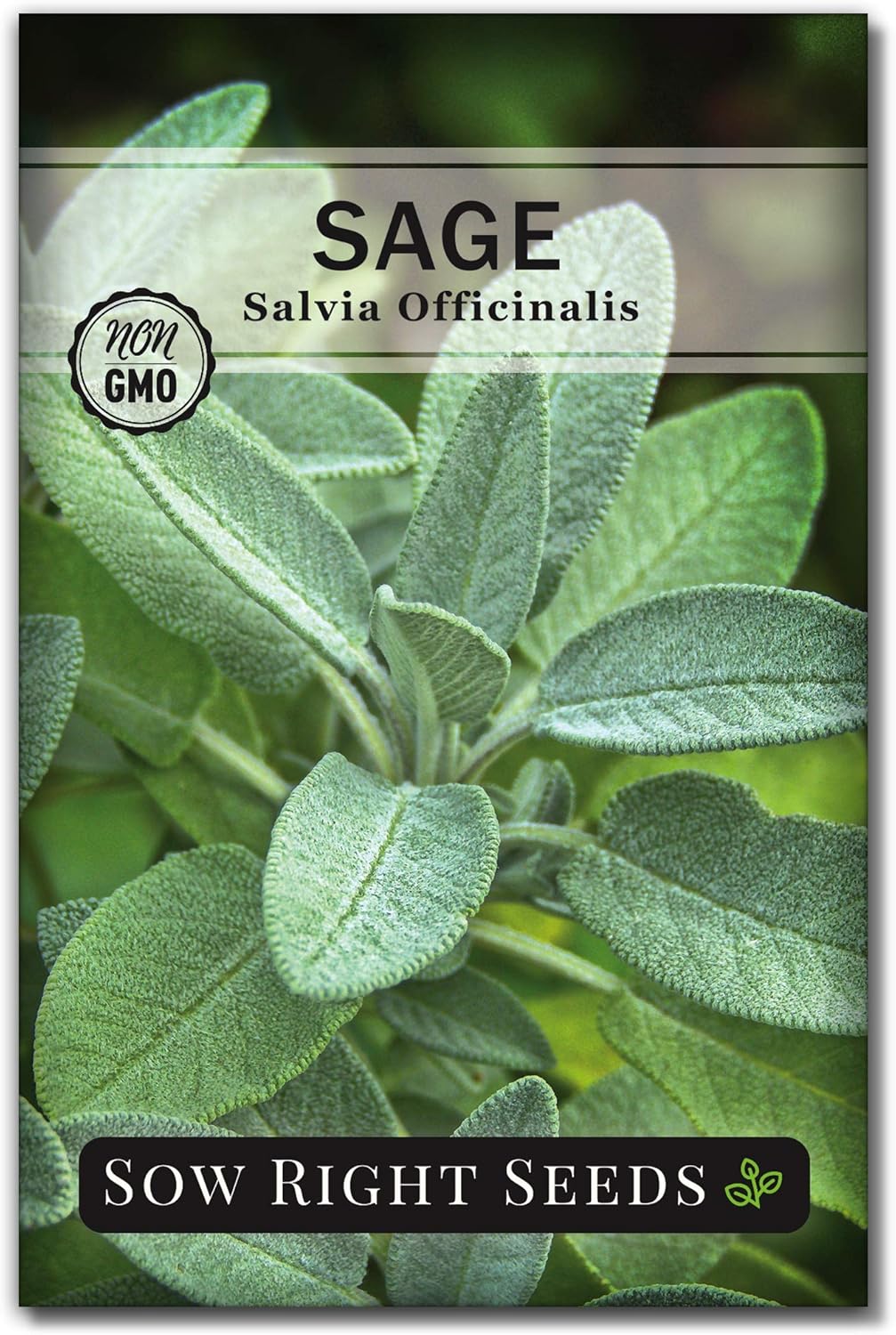
The leaves are the primary part used in both gastronomy and medicine. They are opposite, petiolate, and oblong to lanceolate in shape, reaching lengths of up to 6.4 cm and widths of 2.5 cm.1 A defining feature of the foliage is its rugose or “pebbly” texture, caused by a dense network of veins. Furthermore, the leaves are covered in fine, short white hairs (trichomes) that impart a velvety feel and a silvery-gray or gray-green appearance.1 The underside of the leaf is typically paler, sometimes appearing nearly white due to a higher density of these hairs.1 The petioles connecting the leaves to the stem are approximately 4.5 cm in length and are similarly pubescent.1
During the blooming period in early summer, the plant produces upright flower spikes adorned with whorls of two-lipped flowers.4 These blossoms are typically lavender-blue or bluish-violet, though they may also appear pinkish-lavender or white depending on the cultivar.1 The flowers are arranged in 4 to 8 rows, with each blossom possessing 6 to 12 petals.1 This floral structure is highly attractive to various pollinators, including bees, butterflies, and hummingbirds.4
Cultivar Diversification and Horticultural Adaptation
Selective breeding has resulted in numerous cultivars tailored for specific aesthetic or culinary attributes. These varieties vary significantly in leaf color, size, and hardiness.
| Cultivar Name | Morphological and Culinary Characteristics | USDA Hardiness Zone | Primary Utility |
| ‘Berggarten’ | Large, round, silvery-blue leaves; bushy habit; mildew resistant 4 | Zone 5 | Culinary and Ornamental |
| ‘Purpurascens’ | Deep purple foliage; strongly flavored; 18 inches tall 4 | Zone 6 | Culinary and Ornamental |
| ‘Tricolor’ | Green leaves edged in white with rose streaks; less hardy 4 | Zone 6 | Ornamental and Houseplant |
| ‘Icterina’ | Golden variegated foliage; primarily ornamental 4 | Zone 6 | Ornamental |
| ‘Aurea’ (Golden) | Chartreuse-yellow leaves with dark green veins 4 | Zone 6 | Ornamental |
| ‘Holt’s Mammoth’ | Similar to common sage but with significantly larger leaves 4 | Zone 4-10 | Commercial Culinary |
| ‘Compacta’ | Smaller leaves; habit reaching only 10 inches; same flavor 4 | Zone 4-10 | Small Gardens/Borders |
| ‘Sage of Bath’ | Silvery foliage; compact shrubby habit (1-1.5 feet) 6 | Zone 5-7 | Ornamental and Culinary |
The species is highly adaptable but maintains specific environmental requirements for optimal phytochemical synthesis. It thrives in full sun and well-drained soil, particularly limestone-rich, rocky terrains.1 Sage is drought-resistant but highly susceptible to root rot if the soil remains saturated for prolonged periods.1 Its ideal growth range is generally defined by temperatures between 15°C and 21°C and annual precipitation of less than 3 meters.1
Historical and Socio-Cultural Context
The human relationship with sage spans millennia, moving from sacred Mediterranean rituals to medieval European apothecaries and modern global kitchens. The ancients and Arabians associated the herb with longevity and even immortality.9
Antiquity and the Classical Era
In ancient Greece, sage was regarded as a sacred herb, dedicated to the gods and used in rituals for purification and wisdom.3 It was believed to sharpen the mind and ward off negative energy.7 Physicians such as Hippocrates and Dioscorides utilized sage for its medicinal properties, though historical records show some taxonomic confusion. For instance, the Greek term elelisfakos was often used, which likely referred to Salvia pomifera (applebearing sage), known for the berry-like excrescences it produces on its stems.12
The Romans utilized sage extensively, referring to it as the “Holy Herb.” It was consumed by pregnant women to prevent miscarriage and by others to stop bleeding, heal wounds, and treat hoarseness or coughs.5 Pliny the Elder (23–79 AD) documented its use as a diuretic and an anesthetic for numbing the skin during medical procedures.12 The Roman belief in sage as a memory aid and brain stimulant is likely the origin of the term “sage” denoting a wise or learned person.4
The Medieval Era and the Renaissance
During the Middle Ages, sage’s reputation as a “panacea” or “all-heal” reached its peak. It was a staple in monastery gardens, where monks used it to create healing teas for the plague, epilepsy, and liver diseases.12 The Medical School of Salerno, a premier institution in Southern Italy, immortalized the herb in its verses: “Why should a man die if sage grows in his garden?”.9
The Renaissance inherited this veneration. The English herbalist John Gerard (1545–1607) claimed sage was “singularly good for the head and braine,” noting its ability to quicken the senses and memory.5 Nicholas Culpeper (1616–1654) similarly recommended it for strengthening the brain and improving memory, as well as for rheumatic pains and joint inflammation.5 In the 14th century, sage was so highly regarded that it was used in hand-washing rituals at dinner parties; guests were offered water infused with sage leaves to cleanse and refresh themselves at the table.9
Folklore and Mythological Associations
Folklore surrounding sage is rich with themes of protection and domesticity. In English tradition, it was believed that sage grew best in gardens where the wife dominated the household.13 Conversely, a flourishing sage bush was seen as a sign of a thriving business or general household prosperity.15
Religious lore further elevates the herb’s status. A prominent legend in the Levant and Palestine claims that while the Holy Family was fleeing from King Herod’s soldiers into Egypt, they hid in a thicket of sage.13 The Virgin Mary is said to have wiped her face with the leaves, finding the scent so soothing that she blessed the plant forever.9 This association is reflected in the Arabic name for sage, Maramia, which is linked to the name Maryam (Mary).18
In a darker turn of folklore, the 14th-century Decameron by Boccaccio tells the story of Pasquino, who dies after rubbing a sage leaf on his teeth. The cause was attributed to a “venomous toad” living beneath the bush whose breath had poisoned the plant.12 This led to a long-standing horticultural tradition of planting Rue (Ruta graveolens) alongside sage to keep toads and other “venomous animals” away.12
Phytochemical Profile and Bioactive Compounds
The therapeutic and aromatic properties of Salvia officinalis are the result of its complex secondary metabolite profile, which includes essential oils, phenolic acids, flavonoids, and terpenoids. The chemical composition is highly variable, influenced by the plant’s genetics, geographical location, and cultivation conditions.19
Essential Oil Composition
The essential oil of sage (SEO) is primarily concentrated in the leaves and flowers. It is rich in monoterpenes, which provide the plant’s characteristic camphoraceous and pine-like aroma.
| Major Chemical Constituent | Classification | Percentage in Oil (Average) | Key Biological Activities |
| $\alpha$-Thujone (cis-thujone) | Monoterpene ketone | 18.0% – 43.0% | Antimicrobial, antiviral, antioxidant; neurotoxic in high doses 19 |
| $\beta$-Thujone (trans-thujone) | Monoterpene ketone | 3.0% – 8.5% | Similar to $\alpha$-thujone but slightly less toxic 19 |
| Camphor | Monoterpene ketone | 14.0% – 37.0% | Antiseptic, anti-inflammatory, antioxidant 19 |
| 1,8-Cineole (Eucalyptol) | Monoterpene ether | 5.5% – 15.0% | Mucolytic, anti-inflammatory, antimicrobial 19 |
| Borneol | Monoterpene alcohol | 3.4% – 12.0% | Antibacterial, antifungal 19 |
| Viridiflorol | Sesquiterpene alcohol | 3.0% – 8.0% | Anti-inflammatory, antimicrobial, cytotoxic 19 |
| $\alpha$-Pinene | Monoterpene | Variable (Higher in flowers) | Antioxidant, antistaphylococcal 20 |
Research indicates that wild sage populations, particularly those in the Balkan regions, tend to have higher essential oil yields and higher thujone content compared to cultivated varieties.20 Interestingly, net shading of cultivated plants has been shown to lower the content of the toxic cis-thujone, potentially enhancing the safety of the oil for medicinal applications.20
Phenolic Acids and Flavonoids
Beyond the volatile oils, sage is a prolific source of polyphenols, which contribute significantly to its antioxidant and anti-inflammatory capacity. Rosmarinic acid is the most abundant phenolic acid in sage infusions and extracts.7
| Non-Volatile Constituent | Compound Class | Documented Pharmacological Effects |
| Rosmarinic acid | Phenolic acid | Antioxidant, anti-inflammatory, neuroprotective, antineuropathic 21 |
| Carnosic acid | Diterpene | Potent antioxidant, antimicrobial, anticarcinogenic, anti-inflammatory 21 |
| Carnosol | Diterpene | Anti-tumor, anti-inflammatory, antioxidant, antimicrobial 12 |
| Luteolin | Flavonoid | Anti-inflammatory, antioxidant, neuroprotective 21 |
| Apigenin | Flavonoid | Anti-inflammatory, antioxidant, benzodiazepine receptor activity 21 |
| Quercetin | Flavonoid | Strong antioxidant activity; inhibits acetylcholinesterase 2 |
| Ursolic acid | Triterpene | Anti-inflammatory, antidiabetic, antimetastatic 21 |
The presence of these polyphenols is particularly relevant for sage’s nootropic effects, as compounds like carnosic acid and rosmarinic acid have been shown to protect brain cells from oxidative stress.2
Pharmacological Mechanisms and Clinical Applications
Modern research has substantiated many of the traditional uses of sage, particularly in the areas of cognitive health, metabolic regulation, and menopausal support.
Cognitive Enhancement and Neuroprotection
The reputation of sage as a “brain tonic” is supported by its multifaceted impact on the central nervous system. Several mechanisms have been identified, including the inhibition of acetylcholinesterase (AChE) and butyrylcholinesterase, which increases the availability of the neurotransmitter acetylcholine (ACh) in the brain.2
Clinical Trials in Healthy Populations
Acute administration of sage extracts has been shown to improve memory and attention in both young and elderly subjects. In a double-blind, placebo-controlled crossover study, healthy adults over 65 years old were given varying doses of a standardized sage extract (Sibelius:Sage).26 Participants showed significant improvements in word recognition, word recall, and the accuracy of attention within just one hour of administration.8 Similarly, a study on adolescents and young adults (ages 12–25) using an aqueous-ethanol extract demonstrated significant benefits to verbal episodic and declarative memory.27
Treatment of Alzheimer’s Disease
The potential of sage in treating neurodegenerative decline has been explored in several trials. A notable study by Akhondzadeh et al. (2003) involved patients with mild to moderate Alzheimer’s disease who received 60 drops per day of a standardized Salvia officinalis extract (1:1 ethanol extract).28 After four months, the sage-treated group showed significantly improved cognitive outcomes on the ADAS-cog and CDR scales compared to the placebo group, as well as reduced agitation.28
Endocrine Support: Menopause and Sweating
One of the most clinically established uses of sage is the management of menopausal symptoms, particularly hot flashes and night sweats (hyperhidrosis).
The Bommer et al. (2011) Study
This open-label, multicenter trial investigated the efficacy of a fresh sage leaf preparation in 71 postmenopausal women who experienced at least five hot flashes daily.30 Participants took a once-daily tablet containing 280 mg of thujone-free sage extract for eight weeks.31
| Outcome Metric | Result after 8 Weeks of Treatment |
| Mean number of daily hot flashes | Decreased from 9.3 to 3.8 (64% reduction) 31 |
| Severity: Mild hot flashes | 46% reduction 31 |
| Severity: Moderate hot flashes | 62% reduction 31 |
| Severity: Severe hot flashes | 79% reduction 31 |
| Severity: Very severe hot flashes | 100% reduction (complete elimination) 31 |
| Menopause Rating Scale (MRS) | 43% overall decrease in symptom intensity 31 |
The mechanism is believed to involve sage’s ability to act as an amphoteric regulator of temperature, directly decreasing sweat production through its astringent and anti-hidrotic properties.16
Metabolic and Cardiovascular Health
Sage has demonstrated hypoglycemic and hypolipidemic effects, making it a subject of interest for the management of type 2 diabetes and hyperlipidemia.
Glucose Regulation
Clinical evidence indicates that sage extract can reduce 2-hour postprandial blood glucose levels in diabetic patients.33 Studies in animal models suggest that sage may function similarly to metformin by improving insulin sensitivity and reducing serum glucose.24
Lipid Modulation
Human clinical trials have shown that regular consumption of sage tea (twice daily for several weeks) can significantly improve the lipid profile.7
| Lipid Parameter | Effect of Sage Tea Consumption |
| Total Cholesterol | Significant Reduction 7 |
| LDL (“Bad”) Cholesterol | Significant Reduction 7 |
| Triglycerides | Significant Reduction 8 |
| HDL (“Good”) Cholesterol | Significant Increase 7 |
These changes are likely driven by the plant’s high polyphenolic content, which enhances antioxidant defense and influences hepatic lipid metabolism.7
Culinary Applications and Gastronomic Techniques
Sage is a cornerstone of Mediterranean, European, and American culinary traditions. Its intense, savory flavor, characterized by notes of pine, lemon, and eucalyptus, makes it particularly effective at balancing fatty or rich foods.11
Fresh versus Dried and Rubbed Sage
The form of sage used is critical for the success of a dish. Essential oil concentration and flavor profile change significantly during processing.
| Sage Form | Processing Method | Flavor Characteristics | Best Culinary Applications |
| Fresh | Whole leaves, often velvety and tender 10 | Vibrant, mild, herbaceous with citrus notes 36 | Garnishes, butter infusions, saltimbocca, egg dishes 10 |
| Dried (Whole) | Whole or broken air-dried leaves 37 | Mildest dried form; subtle pine/lemon notes 37 | Long-simmered stews, soups, and herbal infusions 36 |
| Rubbed | Dried leaves gently crushed through screens 37 | Light, fluffy; earthy and balanced; no bitterness 37 | Holiday stuffing, poultry/pork rubs, sausages 37 |
| Ground | Entire leaf pulverized into fine powder 37 | Intense, concentrated, often bitter/astringent 37 | Small amounts in spice blends or tomato soups 37 |
Culinary Tips and Substitution Ratios
Standard culinary practices emphasize that dried sage is approximately three times more potent than fresh sage.37
- Substitution Ratio: 1 teaspoon of dried sage = 3 teaspoons (1 tablespoon) of fresh sage.37
- Ground vs. Rubbed: Because ground sage is more concentrated and prone to bitterness, use only half the amount when substituting for rubbed sage (1/2 tsp ground = 1 tsp rubbed).37
- Timing: Fresh sage should be added toward the end of the cooking process to preserve its delicate aromatics, while dried sage should be added early to allow its flavors to mellow and blend.10
- Fried Sage: Frying whole sage leaves in butter or oil creates a crispy, nutty garnish that is a staple of Italian pasta and gnocchi dishes.10
Regional Gastronomic Traditions
In Italy, Saltimbocca (meaning “jump in the mouth”) is a quintessential Roman dish featuring veal and prosciutto with a whole sage leaf pinned to the meat before pan-searing.10 Sage is also frequently used to flavor Roman sausages and legume stews featuring cannellini or borlotti beans.14
In the United States, sage is the defining herb of Thanksgiving, used almost universally in bread stuffing and as a rub for roasted turkey.9
In the Middle East and the Levant, Maramia tea is a deeply rooted cultural tradition. Palestinians and Jordanians often add dried sage leaves to black tea after it has finished boiling, steeping it for several minutes to create a soothing, aromatic beverage served with sugar.39 The tea is prized for its digestive properties and its ability to provide “emotional grounding”.41
Therapeutic Safety and Toxicological Considerations
While sage is generally safe in culinary amounts, its concentrated medicinal use requires an understanding of potential neurotoxicity and drug interactions.
Thujone Neurotoxicity
The primary constituent of concern is thujone, a GABA-A receptor antagonist that can cause convulsions and slow breathing if ingested in excessive amounts.29 The European Medicines Agency (EMA) and the Scientific Committee on Food (SCF) have established specific safety limits for thujone intake.
Research on Greek and Mediterranean flora indicates that many sage infusions (teas) can vary significantly in thujone content, with some samples containing as much as 161.94 mg per 200 mL.43 However, on average, 3 to 6 cups of sage tea can typically be consumed daily without reaching toxicological thresholds.22
Drug Interactions
Sage can interact with various pharmaceutical medications, often through pharmacodynamic synergism or the modulation of liver enzymes.
| Medication Class | Interaction Mechanism and Effect | Clinical Significance |
| Anticonvulsants | Sage (thujone) may increase the risk of seizures 34 | May decrease the effectiveness of drugs like carbamazepine 29 |
| Antidiabetics | Additive hypoglycemic effect 12 | Risk of blood sugar dropping too low; monitor closely 29 |
| Sedatives (CNS Depressants) | Sage may enhance sedative effects 34 | Risk of excessive sleepiness or slowed breathing 34 |
| Anticholinergics | Sage increases acetylcholine (ACh) levels 29 | May decrease the effectiveness of “drying” medications 29 |
| Estrogens | Some species (e.g., Spanish sage) have estrogen-like activity 34 | May interfere with hormone therapy or oral contraceptives 29 |
| Liver Substrates (CYP450) | Sage may inhibit or induce CYP enzymes 34 | Changes the rate at which the body breaks down various drugs 29 |
Contraindications and Precautions
Due to its potential impact on blood sugar and its thujone content, sage should be avoided in medicinal amounts by the following populations:
- Pregnant Women: Thujone may stimulate the uterus; historically used as an abortifacient.13
- Nursing Mothers: Known to reduce breast milk supply (anti-lactogenic).5
- Epileptics: Potential to trigger seizures.29
- Surgery Patients: Should stop use 2 weeks before surgery to avoid blood sugar complications.29
Modern Horticultural and Commercial Utility
Beyond the kitchen and the clinic, sage has found utility in modern domestic and ecological spheres.
Cosmetic and Domestic Uses
Sage oil is a common ingredient in soaps, perfumes, and cosmetics for its fragrance and skin-conditioning properties.5 In traditional household management, hanging dried sage among wool clothing acts as a natural deterrent for moths, while rubbing sage leaves on the skin can serve as a mild insect repellent.11 Burning sage leaves is also used to eliminate strong, unpleasant odors in the home.11
Ecological and Garden Benefits
As a garden plant, sage is prized for its drought tolerance and its ability to thrive in poor, rocky soils where other perennials might struggle.1 Its flowers provide an essential nectar source for bees and butterflies.4 For home gardeners, sage is a “friendly” herb that requires little feeding but benefits from annual pruning after flowering to prevent it from becoming overly leggy or “sprawling”.3
Socio-Political Significance: Sage in Palestine
The cultural importance of sage is perhaps most poignantly illustrated in the Levant, particularly Palestine. Maramia is more than a culinary herb; it is a symbol of resilience and connection to the land.18 Almost every Palestinian household maintains a supply of dried sage for medicinal and social tea-drinking.18
The foraging of wild sage in these regions has become a site of political friction. Israeli occupation authorities have at times policed the foraging of wild herbs like sage and za’atar, leading to fines or imprisonment for local Palestinians.18 Consequently, cultivating and consuming sage has become an act of cultural preservation and resistance, maintaining a link to ancestral traditions in the face of displacement.18
Conclusions and Future Outlook
Salvia officinalis stands as one of the most versatile and historically significant plants in the human pharmacopoeia. Its transition from a sacred Roman herb and a medieval panacea to a scientifically validated nootropic and metabolic regulator highlights the enduring value of ethnobotanical knowledge.
The convergence of traditional use and modern clinical trials provides a compelling case for the continued integration of sage into both dietary and therapeutic regimens. Its ability to improve cognitive performance in both healthy and demented populations, coupled with its proven efficacy in managing menopausal symptoms, positions it as a vital tool for healthy aging. Furthermore, its role in global culinary traditions—from the Thanksgiving table to the Levantine tea ritual—demonstrates its universal appeal.
Future research should focus on the standardization of sage preparations to ensure consistent levels of bioactive polyphenols like rosmarinic acid while minimizing thujone-related risks. Additionally, exploring the synergistic effects of sage in combination with other herbs (such as echinacea or alfalfa) may yield more potent natural therapies for inflammatory and endocrine conditions. As global interest in plant-based medicine continues to grow, Salvia officinalis remains a primary example of how botanical diversity can support human health, nutrition, and cultural identity.
Works cited
- Sage (Salvia Officinalis L.) – Spiritual Botany, accessed December 24, 2025, https://www.spiritualbotany.com/plant-profiles/sage-salvia-officinalis-l/
- Salvia (Sage): A Review of its Potential Cognitive-Enhancing and Protective Effects – PMC, accessed December 24, 2025, https://pmc.ncbi.nlm.nih.gov/articles/PMC5318325/
- Healing, fragrant, magical – the diverse world of salvias, accessed December 24, 2025, https://www.magicgardenseeds.com/Healing-fragrant-magical-the-diverse-world-of-salvias
- Sage, Salvia officinalis – Wisconsin Horticulture, accessed December 24, 2025, https://hort.extension.wisc.edu/articles/sage-salvia-officinalis/
- Sage Salvia officinalis – American Botanical Council, accessed December 24, 2025, https://umb.herbalgram.org/media/iwbjwhil/issue89.pdf
- Salvia officinalis ‘Sage of Bath’ – Plant Finder – Missouri Botanical Garden, accessed December 24, 2025, https://www.missouribotanicalgarden.org/PlantFinder/PlantFinderDetails.aspx?taxonid=257219&isprofile=0&basic=salvia
- Organic Greek Sage Tea — Where Ancient Mediterranean Heritage Meets Mo – EVGE, accessed December 24, 2025, https://evge.us/blogs/greece/organic-greek-sage-tea-where-ancient-mediterranean-heritage-meets-modern-wellness
- Sage Enhances Mental Performance, Cognition, and Memory – PI Therapy, accessed December 24, 2025, https://pitherapy.com.au/sage-enhances-mental-performance-cognition-and-memory/
- Sage Salvia officinalis Garden Sage, Red Sage, Salvia salvatrix Photo: LuvlyMikimoto 9/1/07 Botanical Description Salvia officin – Academics, accessed December 24, 2025, https://academics.hamilton.edu/foodforthought/Our_Research_files/sage.pdf
- Sage – McCormick Science Institute, accessed December 24, 2025, https://www.mccormickscienceinstitute.com/resources/culinary-spices/herbs-spices/sage
- Sage – SideChef, accessed December 24, 2025, https://www.sidechef.com/wikis/37/sage/
- Herbs in History: Sage – American Herbal Products Association, accessed December 24, 2025, https://www.ahpa.org/herbs_in_history_sage
- Sage – Nutritional Geography, accessed December 24, 2025, https://nutritionalgeography.faculty.ucdavis.edu/sage/
- The Herb Garden: sage – Casa Mia Tours, accessed December 24, 2025, https://casamiatours.com/herb-garden-sage/
- Folklore Thursday: Sage Advice – groweatgift, accessed December 24, 2025, https://groweatgift.com/2016/10/20/folklore-thursday-sage-advice/
- Sage (Salvia officinalis): Benefits, Uses, Side Effects | Herbal Reality, accessed December 24, 2025, https://www.herbalreality.com/herb/sage/
- Herbal Folklore | Sanctuary Gardener – WordPress.com, accessed December 24, 2025, https://sanctuarygardener.wordpress.com/2014/01/17/herbal-folklore/
- Maramiya – Healing Justice Ldn, accessed December 24, 2025, https://healingjusticeldn.org/in-practice/maramiya/
- Chemistry, Pharmacology, and Medicinal Property of Sage (Salvia) to Prevent and Cure Illnesses such as Obesity, Diabetes, Depression, Dementia, Lupus, Autism, Heart Disease, and Cancer – PubMed Central – NIH, accessed December 24, 2025, https://pmc.ncbi.nlm.nih.gov/articles/PMC4003706/
- Chemical Profiling and Antioxidant Activity of Wild and Cultivated Sage (Salvia officinalis L.) Essential Oil – MDPI, accessed December 24, 2025, https://www.mdpi.com/2311-7524/9/6/624
- Natural Compounds of Salvia L. Genus and Molecular Mechanism of Their Biological Activity – PMC – PubMed Central, accessed December 24, 2025, https://pmc.ncbi.nlm.nih.gov/articles/PMC10740457/
- Determination of the biologically active flavour substances thujone and camphor in foods and medicines containing sage (Salvia officinalis L.) – PubMed Central, accessed December 24, 2025, https://pmc.ncbi.nlm.nih.gov/articles/PMC3155476/
- Pharmacological properties of Salvia officinalis and its components – PMC – NIH, accessed December 24, 2025, https://pmc.ncbi.nlm.nih.gov/articles/PMC5634728/
- Antioxidant Capacity and Polyphenolic Composition as Quality Indicators for Aqueous Infusions of Salvia officinalis L. (sage tea) – Frontiers, accessed December 24, 2025, https://www.frontiersin.org/journals/pharmacology/articles/10.3389/fphar.2011.00079/full
- 9 Emerging Benefits and Uses of Sage Tea – Healthline, accessed December 24, 2025, https://www.healthline.com/nutrition/sage-tea
- Healthy aging, cognitive function and sage – SupplySide Supplement Journal, accessed December 24, 2025, https://www.supplysidesj.com/cognitive-health/healthy-aging-cognitive-function-and-sage
- Assessment of the Effects of a Sage (Salvia officinalis) Extract on Cognitive Performance in Adolescents and Young Adults | medRxiv, accessed December 24, 2025, https://www.medrxiv.org/content/10.1101/2021.05.28.21257776v1
- Systematic Review of Clinical Trials Assessing Pharmacological …, accessed December 24, 2025, https://pmc.ncbi.nlm.nih.gov/articles/PMC6493168/
- Sage: Health Benefits, Side Effects, Uses, Dose & Precautions – RxList, accessed December 24, 2025, https://www.rxlist.com/supplements/sage.htm
- The Effect of Salvia Officinalis on Hot Flashes in Postmenopausal …, accessed December 24, 2025, https://pmc.ncbi.nlm.nih.gov/articles/PMC10363264/
- Re: Fresh Sage Extract Shows Promise for Alleviation of …, accessed December 24, 2025, https://www.herbalgram.org/resources/herbclip/issues/2011/bin_431/081151-431/
- Sage – Health Information Library | PeaceHealth, accessed December 24, 2025, https://www.peacehealth.org/medical-topics/id/hn-2158004
- Effect of Salvia officinalis on diabetic patients – PMC – NIH, accessed December 24, 2025, https://pmc.ncbi.nlm.nih.gov/articles/PMC4206016/
- Sage: Overview, Uses, Side Effects, Precautions, Interactions, Dosing and Reviews, accessed December 24, 2025, https://www.webmd.com/vitamins/ai/ingredientmono-504/sage
- Sage for menopause: Evidence, effectiveness, and recipes – Medical News Today, accessed December 24, 2025, https://www.medicalnewstoday.com/articles/sage-for-menopause
- About Sage Herb: Uses, Pairings and Recipes – McCormick, accessed December 24, 2025, https://www.mccormick.com/blogs/how-to/about-sage-herb-uses-pairings-and-recipes
- Dried Sage Leaves vs Rubbed Sage: Key Differences & Uses – Spices, accessed December 24, 2025, https://spice.alibaba.com/spice-basics/dried-sage-leaves-vs-rubbed-sage
- The Difference Between Ground and Rubbed Sage | MySpicer.com, accessed December 24, 2025, https://www.myspicer.com/difference-between-ground-and-rubbed-sage/
- Wild Maramia (Sage) – Zaatar & Zayn, accessed December 24, 2025, https://www.zaatarandzayn.com/shop/wild-maramia-sage-6
- Tea Time: Middle East – Blue Olive Grill, accessed December 24, 2025, http://blueolivegrill.blogspot.com/2016/01/tea-time-middle-east.html
- Arabian Tea Culture: A Journey of Flavor, Identity, and Hospitality, accessed December 24, 2025, https://tchabatea.com/blog/arabian-tea-culture-a-journey-of-flavor-identity-and-hospitality/
- Public statement on the use of herbal medicinal products containing thujone | EMA, accessed December 24, 2025, https://www.ema.europa.eu/en/documents/public-statement/draft-public-statement-use-herbal-medicinal-products-containing-thujone_en.pdf
- Determination of Α- and Β-Thujone in Wormwood and Sage Infusions of Greek Flora and Estimation of their Average Toxicity – Current Research in Nutrition and Food Science Journal, accessed December 24, 2025, http://www.foodandnutritionjournal.org/vol04nospl-issue-conf-october-2016/determination-of-%CE%B1-and-%CE%B2-thujone-in-wormwood-and-sage-infusions-of-greek-flora-and-estimation-of-their-average-toxicity/
- Opinion of the Scientific Committee on Food on Thujone – European Commission, accessed December 24, 2025, https://ec.europa.eu/food/fs/sc/scf/out162_en.pdf
- Indication-specific dosing for (sage), frequency-based adverse effects, comprehensive interactions, contraindications, pregnancy & lactation schedules, and cost information. – Medscape Reference, accessed December 24, 2025, https://reference.medscape.com/drug/common-sage-culinary-sage-sage-345065
- Safety Assessment of Salvia officinalis (Sage) – CIR Report Data Sheet, accessed December 24, 2025, https://www.cir-safety.org/sites/default/files/FR_Sage_062022.pdf
