
“As an Amazon Associate, I earn from qualifying purchases made on Amazon through links in this website”
Systematic Analysis of the Genus Origanum and Lippia: Botanical Taxonomy, Phytochemical Complexity, and Multifaceted Applications in Culinary and Therapeutic Contexts
The study of the genus Origanum represents a profound intersection of evolutionary botany, ethnohistorical tradition, and modern pharmacognosy. While often reduced to a singular culinary identity in modern Western commercial contexts, the biological reality of oregano is one of significant complexity, encompassing dozens of species across the Lamiaceae and Verbenaceae families that have adapted to diverse ecological niches over millions of years.1 The primary genus, Origanum, is native to the Mediterranean, Western Asia, and Europe, thriving in rocky, sun-drenched environments that have shaped its unique chemical defenses.4 The etymology of the name, rooted in the Greek words oros (mountain) and ganos (joy or beauty), reflects the ancient appreciation for the plant’s vibrant appearance and aromatic presence on Hellenic hillsides.1 This “joy of the mountain” has evolved from a mythological symbol of happiness created by Aphrodite into a globally significant agricultural commodity and a subject of intense clinical investigation.3
Botanical Taxonomy and Phylogenetic Divergence
The taxonomic architecture of the genus Origanum is characterized by its high degree of variability and its propensity for natural hybridization, which has led to significant classification challenges. Currently, the genus is recognized as containing approximately 45 species, 6 subspecies, and 3 varieties, all situated within the Lamiaceae or mint family.1 This botanical diversity is not merely a matter of morphology but reflects a deep-seated chemical specialization driven by environmental stressors.1 The most prevalent species, Origanum vulgare, serves as the prototypical “common oregano,” yet it exists as a complex of subspecies that vary significantly in their essential oil profiles and culinary utility.10
Beyond the primary Origanum genus, the term “oregano” is applied to several other plants that share similar aromatic profiles through convergent evolution. Most notable is Mexican oregano, Lippia graveolens, which belongs to the Verbenaceae family.2 DNA analysis confirms that these two groups diverged evolutionarily over 50 million years ago, representing a distinct botanical lineage that thrives in the arid highlands of Central America rather than the limestone-rich slopes of the Mediterranean.2 This divergence is critical for both the horticulturalist and the pharmacologist, as the chemical constituents and growth requirements of the two families are markedly different.14
Comparative Botanical Profiles of Major Origanum and Lippia Species
The following table provides a structured comparison of the primary species and subspecies that define the global oregano trade and its associated botanical studies.
| Species/Subspecies | Family | Common Name | Morphological Markers | Native Range |
| O. vulgare subsp. hirtum | Lamiaceae | Greek Oregano | Dark green, hairy leaves; white flowers; pungent aroma 4 | Greece, Balkans, Turkey |
| O. vulgare subsp. vulgare | Lamiaceae | Common/Wild Oregano | Purplish-pink flowers; less aromatic; potentially invasive 10 | Europe to Asia |
| O. vulgare subsp. gracile | Lamiaceae | Russian/Kirghiz Oregano | Glossy green leaves; pink flowers; pungent, spicy flavor 13 | Central Asia, Iran, India |
| O. majorana | Lamiaceae | Sweet Marjoram | Gray-green oval leaves; tiny pink/white flowers; sweet flavor 1 | Mediterranean, North Africa |
| O. syriacum | Lamiaceae | Syrian Oregano (Za’atar) | Gray-green, densely hairy leaves; white/pink spikes 8 | Middle East (Levant) |
| O. dictamnus | Lamiaceae | Dittany of Crete | Dwarf habit; round, white-felted leaves; hop-like bracts 1 | Crete (Endemic) |
| Lippia graveolens | Verbenaceae | Mexican Oregano | Elongated, textured leaves; woody shrub; citrus/peppery notes 2 | Mexico, Central America |
The morphological traits of the Lamiaceae representatives include square stems, opposite leaf arrangements, and the presence of glandular-spotted pits on the leaf surface where essential oils are stored and secreted.1 The size of these plants varies significantly, with some varieties remaining as prostrate ground covers while others, such as Origanum syriacum, can reach heights of up to 1 meter in their native habitats.8
Morphological Characteristics and Ecological Adaptations
The physical structure of oregano plants is an evolutionary response to the harsh, dry conditions of the Mediterranean and Western Asian landscapes. As subshrubs and herbaceous perennials, they have developed mechanisms to resist drought, erosion, and herbivory.1 The stems of these plants are often woody at the base, providing structural stability on rocky slopes, while the upper stems remain herbaceous and branch freely to create a dense, mound-like habit.4 This bushy mound growth pattern serves to protect the soil from evaporation and creates a micro-refuge for beneficial insects such as ground beetles.4
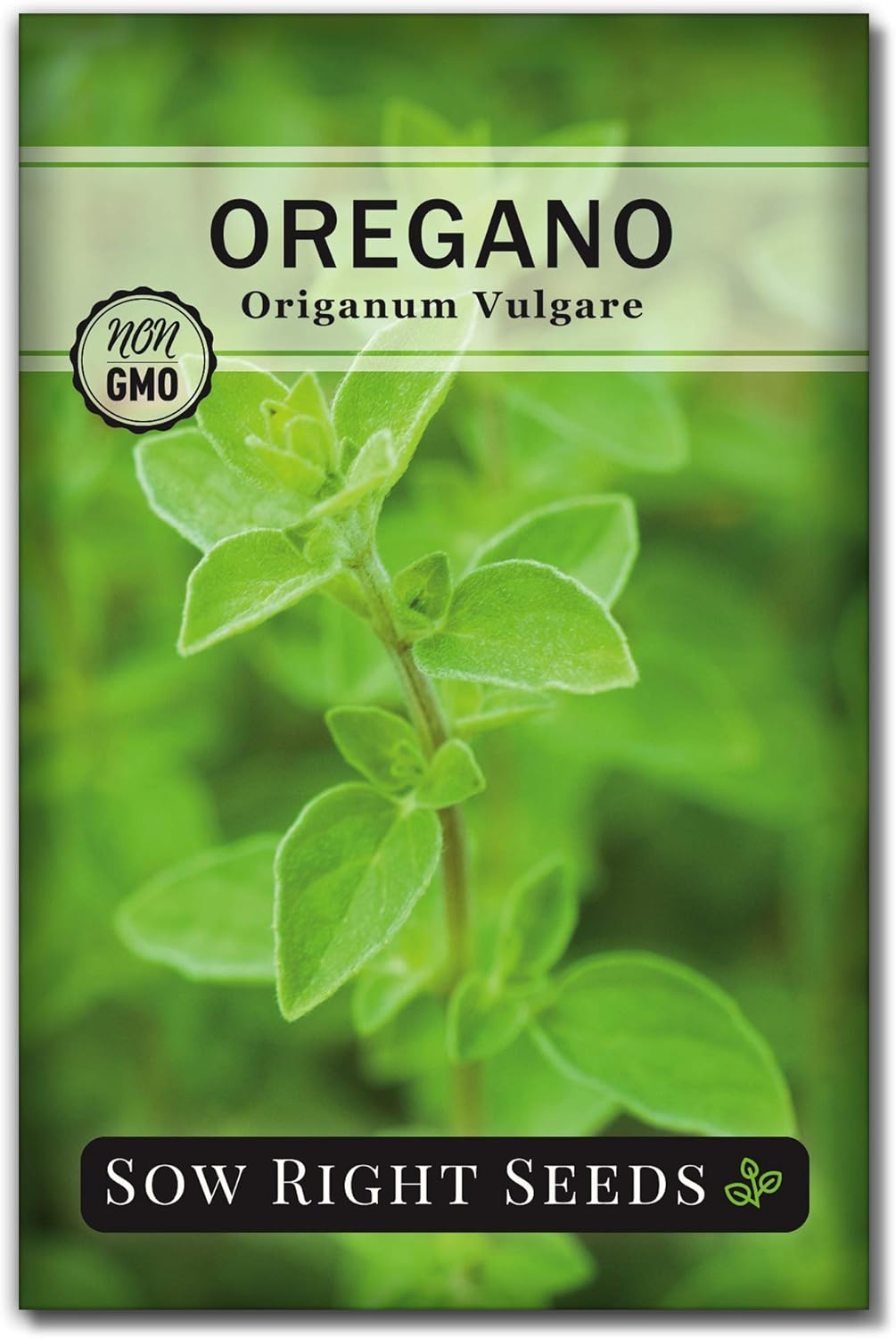
Leaf morphology is particularly indicative of ecological adaptation. The leaves are typically small, ovate to cordate, and may be smooth or covered in dense hairs (trichomes) depending on the subspecies.1 For instance, O. vulgare subsp. hirtum and O. syriacum are characterized by their hairy foliage, which helps to trap moisture and reflect excess solar radiation, a critical trait for surviving the intense sun of Greece and the Levant.3 The color of the leaves ranges from vibrant green to gray-white, blue-green, or even golden yellow in ornamental cultivars such as ‘Aureum’.1
The reproductive cycle of the genus typically culminates in mid-summer with the appearance of clusters of tiny, tubular, two-lipped flowers.10 These blooms, which can be white, pink, or purple, are arranged in spikes, panicles, or corymbs that rise above the foliage.1 While the flowers are aesthetically pleasing and highly attractive to pollinators like bees and butterflies, their appearance signals a shift in the plant’s chemical allocation.1 Research indicates that the highest concentration of flavorful essential oils is found in the leaves just prior to the onset of flowering; once the plant begins to bloom, the oil content may diminish or shift in composition, often leading to a more bitter profile.4 Following pollination, the plant produces fruit in the form of four small, ovoid, brown nutlets.1
Phytochemical Complexity and Essential Oil Composition
The sensory and therapeutic value of oregano is derived from its essential oil, a complex secondary metabolite that can constitute upwards of 4% of the plant’s total dry weight in high-quality specimens.9 This oil is not a uniform substance but a sophisticated blend of monoterpenes, sesquiterpenes, and phenolic compounds.11 The biosynthesis of these compounds is heavily influenced by environmental factors, including soil composition, temperature, altitude, and moisture availability.9
The Role of Carvacrol and Thymol
The primary bioactive constituents of Mediterranean oregano are the phenolic monoterpenes carvacrol and thymol. These two compounds are isomers—sharing the same chemical formula but differing in the spatial arrangement of their atoms—and they provide the characteristic “warmth” and pungent bite associated with the herb.9
- Carvacrol: Often the most abundant phenol in Origanum species, carvacrol is a potent antimicrobial agent. It has been shown to disrupt bacterial cell membranes, leading to the leakage of intracellular contents and eventual bacterial death.23
- Thymol: Known for its strong antifungal and antiseptic properties, thymol is also found in high concentrations in thyme. It supports the immune system and acts as a natural preservative.23
The ratio of carvacrol to thymol determines the specific “chemotype” of the plant. Some populations of O. vulgare are carvacrol-dominant, while others are thymol-dominant or contain a balanced mixture of both.11 This chemical variability explains why different samples of oregano can range from sweet and mild to aggressively sharp and peppery.13
Secondary Volatile and Non-Volatile Compounds
Beyond carvacrol and thymol, the essential oil contains several precursors and synergistic compounds that contribute to the overall aromatic profile and pharmacological activity.
| Compound Category | Specific Molecules | Functional Contribution |
| Monoterpene Precursors | $p$-Cymene, $\gamma$-Terpinene | Essential precursors in the biosynthesis of carvacrol and thymol; contribute citrusy and herbaceous notes 11 |
| Sesquiterpenes | $\beta$-Caryophyllene, Caryophyllene oxide | Provide woody, spicy undertones and possess anti-inflammatory properties 3 |
| Phenolic Acids | Rosmarinic acid, Caffeic acid | Powerful water-soluble antioxidants; rosmarinic acid is the dominant phenolic in many Lamiaceae species 20 |
| Flavonoids | Luteolin, Apigenin, Quercetin, Naringenin | Contribute to the plant’s UV protection and provide human health benefits, including cardioprotection and anticancer activity 20 |
| Triterpenes | Ursolic acid, Oleanolic acid | Involved in skin defense and wound healing mechanisms 18 |
The chemical profile of Mexican oregano (Lippia graveolens) is distinct from the Origanum genus. While it also contains carvacrol (often in higher concentrations than O. vulgare), it is characterized by the presence of citral, limonene, and various licorice-like compounds that are absent in Mediterranean varieties.2 This chemical divergence is responsible for the brighter, citrusy flavor that defines authentic Latin American cuisine.14
Ethnobotanical History and Cultural Evolution
The historical trajectory of oregano is a narrative of cultural migration, starting in the cradles of ancient civilization and expanding through imperial trade and military movements. The earliest recorded uses of Origanum date back to the Hittite Empire in Asia Minor (modern-day Turkey and Syria) between 1600 and 1200 BC, where plant images were inscribed on tablets.3
Greco-Roman Heritage and Mythological Symbolism
In Ancient Greece, oregano was elevated beyond a simple herb to a symbol of divine favor. Mythology credits Aphrodite with the creation of the plant as a physical manifestation of happiness.5 This belief permeated social customs; brides and grooms in Greece and Rome were often crowned with oregano wreaths to ensure a joyful marriage, while the herb was planted on graves to grant the deceased a peaceful transition into the afterlife.6
The Greeks were also the first to systematically catalog the medicinal applications of the herb. Hippocrates (460–370 BC) employed oregano as an antiseptic and a remedy for respiratory ailments and gastrointestinal distress.3 During the expansion of the Roman Empire, soldiers carried oregano with them, not only to flavor their food but to protect against infection and purify water, effectively introducing the plant to every corner of Europe and North Africa.3
Medieval Pharmacy and Global Trade
Throughout the Middle Ages, oregano remained a staple of the European pharmacopeia. In a period characterized by limited medical understanding, the herb’s strong aroma was used to ward off “evil spirits” and “pestilential air”.5 More concrete medical uses during this time included chewing the leaves to treat rheumatism, toothaches, and indigestion.5
As trade routes expanded, oregano reached East Asia, where it was integrated into Traditional Chinese Medicine (TCM) for its cooling effects on fevers and its ability to settle the stomach.5 In the Elizabethan era, the herb was utilized in folk magic, believed to induce prophetic dreams and provide protection from ill health and misfortune.3 The Spanish brought O. vulgare to Latin America during the colonial period, though it would eventually be largely supplanted by the native Lippia graveolens in local cuisines.9
The Modern “Pizza Herb” Phenomenon
The widespread popularity of oregano in North America is a relatively recent development, largely attributed to the conclusion of World War II.5 American soldiers returning from the Italian Campaign had developed a strong preference for the local cuisine, particularly the tomato-based pizzas of Southern Italy that were heavily seasoned with dried oregano.6 This led to a dramatic increase in oregano imports and cultivation in the United States, transforming it from a niche ethnic seasoning into a household staple.5 Today, Turkey, Morocco, and Albania are the world’s leading exporters of Mediterranean oregano, supplying a global market that values the herb for its consistent “Italian” flavor profile.9
Culinary Science: Applications and Gastronomic Chemistry
In the culinary arts, oregano is valued for its ability to cut through fatty meats, balance acidic tomato sauces, and provide an earthy backbone to marinades. Its flavor profile is often described as pungent, herbaceous, and pleasantly bitter.22 However, the success of oregano in cooking depends heavily on understanding the chemical transformations that occur during drying and heating.
The Fresh versus Dried Distinction
Oregano is one of the few culinary herbs where the dried form is often considered superior or at least more versatile than the fresh form.36 This is because the drying process concentrates the essential oils and alters the volatile profile in a way that enhances its resilience to heat.36
- Dried Oregano: Dehydration increases the relative concentration of carvacrol while reducing lighter, floral notes such as linalool.39 This creates a more robust, earthy profile that holds up well during the long simmering times required for tomato sauces, stews, and soups.36
- Fresh Oregano: Possesses a brighter, more citrusy, and grassy character with peppery top notes.36 Fresh oregano is best added toward the end of the cooking process or used as a finishing garnish to prevent it from turning overly bitter.4

Substitution Ratios and Preparation
The potency difference between the two forms necessitates careful measurement. The standard culinary ratio is 1 teaspoon of dried oregano leaves to 1 tablespoon (3 teaspoons) of chopped fresh leaves.9 To release the trapped oils in dried oregano, it is recommended to crush the leaves lightly between the palms before adding them to the dish.9
Global Gastronomic Profiles
The use of oregano varies significantly across regional cuisines, reflecting local botanical availability and cultural preferences.
| Region/Cuisine | Primary Variety Used | Key Applications | Characteristic Pairing |
| Italian | O. vulgare / Italian Oregano | Pizza, marinara sauce, roasted vegetables, meatballs 1 | Garlic, olive oil, basil, tomatoes |
| Greek | O. vulgare subsp. hirtum | Greek salad, gyros, souvlaki, grilled fish, feta cheese 9 | Lemon, olive oil, red wine vinegar |
| Middle Eastern | O. syriacum (Za’atar) | Manakish (flatbread), spice rubs for lamb, yogurt dips 3 | Sumac, sesame seeds, salt, jameed |
| Mexican | Lippia graveolens | Mole, salsa verde, adobo, bean stews, chili con carne 2 | Cumin, chili peppers, lime |
| Argentinian | O. vulgare | Chimichurri sauce for grilled meats 34 | Parsley, garlic, vinegar |
The chemical synergy between oregano and other ingredients is notable. For example, in Mexican cuisine, the high carvacrol content and citrus notes of Lippia graveolens are essential for cutting through the richness of heavy fats and the heat of capsaicin-rich chilies.2 Conversely, in Italian cuisine, the milder, earthier Mediterranean oregano provides a sweet-bitter balance to the acidity of cooked tomatoes.15
Pharmacological Research and Biomedical Potential
Modern pharmacological investigation into oregano has moved beyond traditional knowledge to identify specific molecular mechanisms of action. The herb’s essential oil and extracts are being studied for their potential in addressing several major health challenges, including antimicrobial resistance and chronic inflammatory diseases.12
Antimicrobial Resistance and Synergism
One of the most promising areas of research is the ability of oregano essential oil (OEO) to combat multidrug-resistant (MDR) bacteria. OEO has demonstrated significant inhibitory activity against the “ESKAPE” pathogens, a group of highly resistant bacteria that are a major cause of hospital-acquired infections.24
Research on native Pakistani oregano in 2024 showed that OEO was highly effective against novel MDR strains isolated from the gut, including Bacillus licheniformis and Pseudomonas azotoformans.41 Furthermore, carvacrol has shown synergistic potential when combined with conventional antibiotics. For example, a combination of carvacrol and tobramycin was found to be more effective than either agent alone, as carvacrol helps to perforate the bacterial cell wall, facilitating the entry of the antibiotic.24
Antioxidant and Anti-inflammatory Properties
The antioxidant capacity of oregano is among the highest of any culinary herb, largely due to its high concentration of rosmarinic acid and flavonoids.11 These compounds act as scavengers for reactive oxygen species (ROS), which are linked to cellular damage, aging, and the development of chronic conditions such as Alzheimer’s and cancer.12
In anti-inflammatory assays, OEO has been shown to downregulate several critical inflammatory biomarkers, including:
- Monocyte chemoattractant protein 1 (MCP-1)
- Vascular cell adhesion molecule 1 (VCAM-1)
- Interleukin-6 (IL-6)
These effects suggest that oregano may be useful in managing conditions characterized by chronic inflammation, such as arthritis and cardiovascular disease.20
Antiviral, Antifungal, and Antiparasitic Activity
The broad-spectrum activity of oregano extends to other classes of pathogens:
- Antiviral: Mexican oregano oil has demonstrated in vitro activity against both DNA and RNA viruses, including acyclovir-resistant Herpes Simplex Virus Type 1 and Human Respiratory Syncytial Virus.44
- Antifungal: OEO is effective against Candida albicans and Aspergillus species, often outperforming or matching standard antifungal agents in laboratory settings.23
- Antiparasitic: A human clinical study involving 14 participants found that daily consumption of oregano oil for six weeks was effective at eliminating various intestinal parasites, including Blastocystis hominis and Entamoeba hartmanni.45
Clinical Studies and Human Health Applications
While much of the research is preclinical, several human trials have investigated the practical applications of oregano-based products.
Upper Respiratory Tract Health
A notable clinical trial in Israel investigated a throat spray containing essential oils from five plants, including Origanum syriacum. In this double-blind, randomized study, patients using the spray reported a significant and immediate reduction in the severity of sore throats, hoarseness, and coughs within 20 minutes of use.47 While the effect was not significant after three days of treatment, the study supports the use of oregano-based preparations for acute symptomatic relief of upper respiratory tract infections.47
Oral Health and Salivary pH
Recent research has focused on the role of oregano oil in oral hygiene. A human trial involving 91 participants examined the effect of an oregano-oil-based jelly on salivary pH. The results showed a significant increase in unstimulated salivary pH, indicating a mild alkalinizing effect.46 This is highly relevant for dental health, as a more alkaline environment can inhibit the activity of acidogenic bacteria like Streptococcus mutans, potentially reducing the risk of enamel demineralization and caries.25
Metabolic and Cardiovascular Support
Evidence from rodent and preliminary human studies suggests that carvacrol and thymol may support healthy blood glucose and lipid levels.20 These compounds are believed to activate adenosine monophosphate-activated protein kinase (AMPK), a “cellular switch” that encourages the body to burn fat and utilize sugar for energy.20 While further large-scale human trials are required, these findings suggest a role for oregano in managing metabolic syndrome and cardiovascular health.20
Safety Profile, Toxicology, and Contraindications
Despite its prevalence in food, the medicinal use of oregano—particularly in the form of concentrated essential oil—carries specific risks that must be managed.
Anticoagulation and INR Fluctuations
Oregano contains high concentrations of phenolic compounds that exhibit direct anticoagulant activity.49 More importantly, these compounds are known inhibitors of the cytochrome P450 enzymes (specifically CYP2C9 and CYP3A4) responsible for metabolizing common blood thinners such as warfarin and acenocoumarol.50
A documented clinical case involved an elderly patient whose INR rose to a dangerous 6.42 after consuming oregano tea daily for a week.50 The INR only normalized once the tea was discontinued. Consequently, patients on anticoagulant or antiplatelet therapy must exercise extreme caution with oregano supplements and should stop medicinal use at least two weeks prior to surgery to minimize bleeding risks.50
Pregnancy and Miscarriage Risk
Traditional medicine across multiple cultures has categorized oregano as an emmenagogue and a potential abortifacient.53 Modern medical guidelines advise that while culinary amounts are likely safe, medicinal doses of oregano during pregnancy are possibly unsafe due to the potential risk of inducing miscarriage.52
Additional Contraindications
- Diabetes: Because oregano can lower blood sugar, patients on insulin or oral hypoglycemic agents should monitor their levels closely to avoid dangerously low blood sugar.49
- Allergies: Individuals with known allergies to other Lamiaceae plants (such as basil, mint, lavender, or sage) may experience cross-reactivity with oregano.52
- Lithium: Oregano might affect the body’s ability to remove lithium, potentially leading to toxic buildup in patients taking the medication for bipolar disorder.49
Horticultural Management and Commercial Standards
The commercial quality of oregano is dictated by meticulous horticultural practices. The plant thrives in full sun and well-drained, sandy loam soils with a pH between 6.0 and 8.0.1 It is highly intolerant of acidic or poorly drained soils, which can lead to root rot.1
Harvesting and Preservation Techniques
The concentration of essential oils is a dynamic variable. For the highest culinary and medicinal potency, the plant should be harvested just before the first flowers open.4 To maintain the integrity of the volatile carvacrol and thymol, the drying process must be handled with care.
- Hang Drying: Bundling sprigs and hanging them in a dark, dry, well-ventilated room is the traditional and most effective method for preserving the aromatic profile.3
- Vacuum-Microwave Drying: This industrial method is superior to standard convective drying, as it minimizes the loss of essential oils and prevents chemical degradation.12
- Storage: Dried oregano should be stored in airtight, opaque containers in a cool environment. High-quality dried oregano will retain its crumbly texture and sharp aroma for 12 to 18 months; a musty or flat smell is a definitive sign of quality deterioration.3
Agricultural Economics
The global oregano market is dominated by Turkey, Morocco, and Albania, where the plant is both wild-harvested and cultivated in large-scale plantations.9 In the Middle East, Origanum syriacum is so valued that it is protected by law in some regions to prevent over-harvesting from the wild.19 The economic importance of the plant is reflected in the development of specialized cultivars, such as ‘Greek Kaliteri’, which have been bred specifically for their high carvacrol content and intense flavor.13
Systematic Review of Therapeutic Evidence
The following table synthesizes the current scientific evidence regarding the various health claims associated with oregano.
| Target Condition | Type of Evidence | Summary of Findings |
| Bacterial Infections | In vitro / Animal | Strong evidence of growth inhibition against S. aureus, E. coli, and MRSA 23 |
| Fungal Overgrowth | In vitro | Effective against Candida albicans and foodborne molds 45 |
| Upper Respiratory | Human Clinical | Significant immediate relief of sore throat and cough symptoms 47 |
| Intestinal Parasites | Human Clinical | 92.8% elimination rate in a small controlled study 45 |
| Oral Health | Human Clinical | Alkalinizing effect on salivary pH; antimicrobial against cariogenic strains 25 |
| Inflammation | In vitro | Suppression of MCP-1, VCAM-1, and IL-6 biomarkers 20 |
| Cancer | In vitro | Antiproliferative and pro-apoptotic effects on prostate and colon cancer cells 20 |
Conclusion and Strategic Outlook
The genus Origanum stands as a quintessential example of how a singular botanical resource can satisfy disparate human needs across culinary, medicinal, and industrial domains. Its chemical profile, rich in carvacrol and thymol, provides a potent biological arsenal that modern science is only beginning to fully characterize. From its foundational role in Mediterranean cuisine to its emerging potential as a synergistic partner in the fight against antibiotic resistance, oregano’s relevance remains undiminished after thousands of years of use.
For the professional community, the future of oregano research lies in high-quality, standardized clinical trials that can move beyond the “likely safe” designation of the FDA to establish specific therapeutic dosages for conditions such as chronic rhinosinusitis, metabolic syndrome, and oral dysbiosis. Furthermore, as global supply chains face the pressures of climate change, understanding the ecological resilience of Origanum and the potential of alternative species like Lippia graveolens will be essential for maintaining the botanical and economic integrity of this vital herb. Ultimately, the “joy of the mountain” continues to offer a wealth of discovery for the fields of ethnobotany, nutrition, and pharmacology alike.
Works cited
- Origanum (Oregano) | North Carolina Extension Gardener Plant Toolbox, accessed December 24, 2025, https://plants.ces.ncsu.edu/plants/origanum/
- Mexican Oregano vs Regular Oregano: Key Differences & Uses – Spices – Alibaba.com, accessed December 24, 2025, https://spice.alibaba.com/spice-basics/mexican-oregano-vs-regular-oregano
- Za’ Atar Barri – Arca del Gusto – Slow Food Foundation, accessed December 24, 2025, https://www.fondazioneslowfood.com/en/ark-of-taste-slow-food/za-atar-barri/
- Origanum vulgare (Oregano) – Gardenia.net, accessed December 24, 2025, https://www.gardenia.net/plant/origanum-vulgare
- The History of Oregano | MySpicer.com | Spices, Herbs & Seasonings, accessed December 24, 2025, https://www.myspicer.com/history-of-oregano/
- History of Oregano: From Greece to Global Cuisine – Premium Spices, accessed December 24, 2025, https://www.premiumspices.co.nz/blogs/news/history-of-oregano
- accessed December 24, 2025, https://spice.alibaba.com/global-spice-traditions/from-ancient-gardens-to-modern-kitchens-the-surprising-origins-of-oregano#:~:text=Its%20name%20derives%20from%20Greek,in%20its%20native%20climate%20zones.
- Origanum syriacum – Plant Finder – Missouri Botanical Garden, accessed December 24, 2025, https://www.missouribotanicalgarden.org/PlantFinder/PlantFinderDetails.aspx?kempercode=f247
- Oregano – McCormick Science Institute, accessed December 24, 2025, https://www.mccormickscienceinstitute.com/resources/culinary-spices/herbs-spices/oregano
- Origanum vulgare – Plant Finder – Missouri Botanical Garden, accessed December 24, 2025, https://www.missouribotanicalgarden.org/PlantFinder/PlantFinderDetails.aspx?taxonid=281411
- Chemical composition and antioxidant activities of essential oils from different parts of the oregano – PMC – NIH, accessed December 24, 2025, https://pmc.ncbi.nlm.nih.gov/articles/PMC5260481/
- Essential Oils of Oregano: Biological Activity beyond Their …, accessed December 24, 2025, https://pmc.ncbi.nlm.nih.gov/articles/PMC6152729/
- Oregano – Wikipedia, accessed December 24, 2025, https://en.wikipedia.org/wiki/Oregano
- Mexican Oregano vs Regular: Key Differences Explained – Spices, accessed December 24, 2025, https://spice.alibaba.com/spice-basics/what-is-the-difference-between-mexican-oregano-and-regular-oregano
- Regular vs. Mexican Oregano? – RawSpiceBar, accessed December 24, 2025, https://rawspicebar.com/blogs/spices-101/can-i-use-regular-oregano-instead-of-mexican-oregano
- How to Grow Oregano: A Complete Guide to Planting, Care, and Culinary Uses, accessed December 24, 2025, https://www.almanac.com/plant/oregano
- OREGANUM – ZA’ATER (Origanum Syriacum) – Mountain Herb Estate, accessed December 24, 2025, https://www.herbgarden.co.za/mountainherb/herbinfo.php?id=412
- Dittany of Crete – medicinal use of the drug – Arzneipflanzenlexikon, accessed December 24, 2025, https://www.arzneipflanzenlexikon.info/en/dittany-of-crete.php
- Origanum syriacum – Wikipedia, accessed December 24, 2025, https://en.wikipedia.org/wiki/Origanum_syriacum
- Oregano vs Thyme: Which Herb Offers Stronger Antioxidant and Health Effects?, accessed December 24, 2025, https://www.news-medical.net/health/Oregano-vs-Thyme-Which-Herb-Offers-Stronger-Antioxidant-and-Health-Effects.aspx
- Origanum syriacum Phytochemistry and Pharmacological Properties: A Comprehensive Review – MDPI, accessed December 24, 2025, https://www.mdpi.com/1420-3049/27/13/4272
- Oregano – McCormick Science Institute, accessed December 24, 2025, https://www.mccormickscienceinstitute.com/content/msi/assets/Singeltary%20Nutr%20Today%2045,129,2010.pdf
- 8 Benefits and Uses of Oregano Oil – Healthline, accessed December 24, 2025, https://www.healthline.com/nutrition/9-oregano-oil-benefits-and-uses
- Antibacterial activities of oregano essential oils and their active components – Frontiers, accessed December 24, 2025, https://www.frontiersin.org/journals/pharmacology/articles/10.3389/fphar.2025.1579283/full
- Antibacterial activities of oregano essential oils and their active components – PMC – NIH, accessed December 24, 2025, https://pmc.ncbi.nlm.nih.gov/articles/PMC12011810/
- Chemical Composition, Biological Activity, and Potential Uses of Oregano (Origanum vulgare L.) and Oregano Essential Oil – MDPI, accessed December 24, 2025, https://www.mdpi.com/1424-8247/18/2/267
- Dittany of Crete (Origanum dictamnus) – Moly.gr – Organic Herbal Tea, accessed December 24, 2025, https://moly.gr/dittany-of-crete-origanum-dictamnus-benefits/
- Origanum syriacum L. (Za’atar), from Raw to Go: A Review – PMC – NIH, accessed December 24, 2025, https://pmc.ncbi.nlm.nih.gov/articles/PMC8156404/
- Herbal Monograph on Wild Medicinal Plants in Egypt, accessed December 24, 2025, https://edaegypt.gov.eg/media/farlt5p3/origanum-syriacum-l-%D8%A8%D8%B1%D8%AF%D9%82%D9%88%D8%B4-%D8%B2%D8%B9%D8%AA%D8%B1.pdf
- Mexican Oregano (Lippia graveolens Kunth) as Source of Bioactive Compounds: A Review, accessed December 24, 2025, https://pmc.ncbi.nlm.nih.gov/articles/PMC8434378/
- Lippia graveolens and its activity against bacteria associated with bovine mastitis: Literature review – SciELO México, accessed December 24, 2025, https://www.scielo.org.mx/article_plus.php?pid=S2448-61322025000100201&tlng=en&lng=pt
- Oregano vs Mexican Oregano: Key Differences Explained – Spices – Alibaba.com, accessed December 24, 2025, https://spice.alibaba.com/spice-basics/oregano-vs-mexican-oregano-a-flavorful-face-off-you-can-t-miss
- Discovering the Hidden Magic of Oregano: Nature’s Remarkable Remedy – Indigo Wholefoods, accessed December 24, 2025, https://indigowholefoods.com/discovering-the-hidden-magic-of-oregano-natures-remarkable-remedy
- Oregano – Florida Heritage Foods, accessed December 24, 2025, https://floridaheritagefoods.com/french-collection/oregano/
- Oregano oil’s therapeutic uses | Research Starters – EBSCO, accessed December 24, 2025, https://www.ebsco.com/research-starters/health-and-medicine/oregano-oils-therapeutic-uses
- 10 Amazing Ways Oregano Transforms Your Cooking: Fresh, Dried & Flavor Secrets, accessed December 24, 2025, https://leenaspices.co.nz/blog-herbs-and-spices-oregano-transforms-cooking/
- How to Cook with Oregano + 8 Fresh Oregano Recipes – The Mom 100, accessed December 24, 2025, https://themom100.com/how-to-cook-with-oregano/
- A Culinary Guide to Oregano: Benefits and 11 Uses for Oregano – 2025 – MasterClass, accessed December 24, 2025, https://www.masterclass.com/articles/a-culinary-guide-to-oregano-benefits-and-11-uses-for-oregano
- Dried Oregano vs Fresh Oregano Leaves: Key Differences – Spices – Alibaba.com, accessed December 24, 2025, https://spice.alibaba.com/spice-basics/is-dried-oregano-and-oregano-leaves-the-same
- Confused About When to Use Fresh Herbs Versus Dried? – Clean Eating Magazine, accessed December 24, 2025, https://www.cleaneatingmag.com/clean-pantry/cooking-tips/confused-about-when-to-use-fresh-herbs-versus-dried/
- Native oregano essential oil: Phytochemical composition … – PubMed, accessed December 24, 2025, https://pubmed.ncbi.nlm.nih.gov/40945755/
- Oregano: Health benefits, uses, and side effects – Medical News Today, accessed December 24, 2025, https://www.medicalnewstoday.com/articles/266259
- Anti-inflammatory, tissue remodeling, immunomodulatory, and anticancer activities of oregano (Origanum vulgare) essential oil in a human skin disease model – NIH, accessed December 24, 2025, https://pmc.ncbi.nlm.nih.gov/articles/PMC5801825/
- Antiviral activity of the Lippia graveolens (Mexican oregano …, accessed December 24, 2025, https://pmc.ncbi.nlm.nih.gov/articles/PMC3768712/
- Oregano Essential Oil Clinical References – Sally’s Organics, accessed December 24, 2025, https://sallysorganics.com/oregano-2/oregano-clinical-references/
- Salivary pH Modulation and Antimicrobial Properties of Oregano-Oil Jelly in Relation to Menstrual and Menopausal Status – PubMed Central, accessed December 24, 2025, https://pmc.ncbi.nlm.nih.gov/articles/PMC12348204/
- Research Article Treatment of Upper Respiratory Tract Infections in Primary Care: A Randomized Study Using Aromatic Herbs – Semantic Scholar, accessed December 24, 2025, https://pdfs.semanticscholar.org/36e5/14862919daafcad6aee860b29ff33cb4f1d7.pdf
- Treatment of Upper Respiratory Tract Infections in Primary Care: A Randomized Study Using Aromatic Herbs – PubMed Central, accessed December 24, 2025, https://pmc.ncbi.nlm.nih.gov/articles/PMC2967840/
- OIL OF OREGANO, accessed December 24, 2025, https://sa1s3.patientpop.com/assets/docs/70583.pdf
- Are there any potential interactions between oil of oregano and black seed oil with medications such as anticoagulants (e.g. warfarin), diabetes medications (e.g. metformin), or antihypertensives (e.g. lisinopril)? – Dr.Oracle, accessed December 24, 2025, https://www.droracle.ai/articles/484971/are-there-any-potential-interactions-between-oil-of-oregano
- [Origanum vulgare and hemorrhagic risk, about a case] – PubMed, accessed December 24, 2025, https://pubmed.ncbi.nlm.nih.gov/39793412/
- Oregano: Overview, Uses, Side Effects, Precautions, Interactions …, accessed December 24, 2025, https://www.webmd.com/vitamins/ai/ingredientmono-644/oregano
- Dittany of Crete – The Magic Spell To Expel – – Essential Reflections, accessed December 24, 2025, https://essentialreflections.com/dittany-of-crete-the-magic-spell-to-expel/
- Pharmacological evaluation of the anxiolytic-like effects of Lippia …, accessed December 24, 2025, https://pmc.ncbi.nlm.nih.gov/articles/PMC6130579/
- Chemical Composition, and Antioxidant and Antimicrobial Activity of Oregano Essential Oil, accessed December 24, 2025, https://www.mdpi.com/1420-3049/29/2/435
